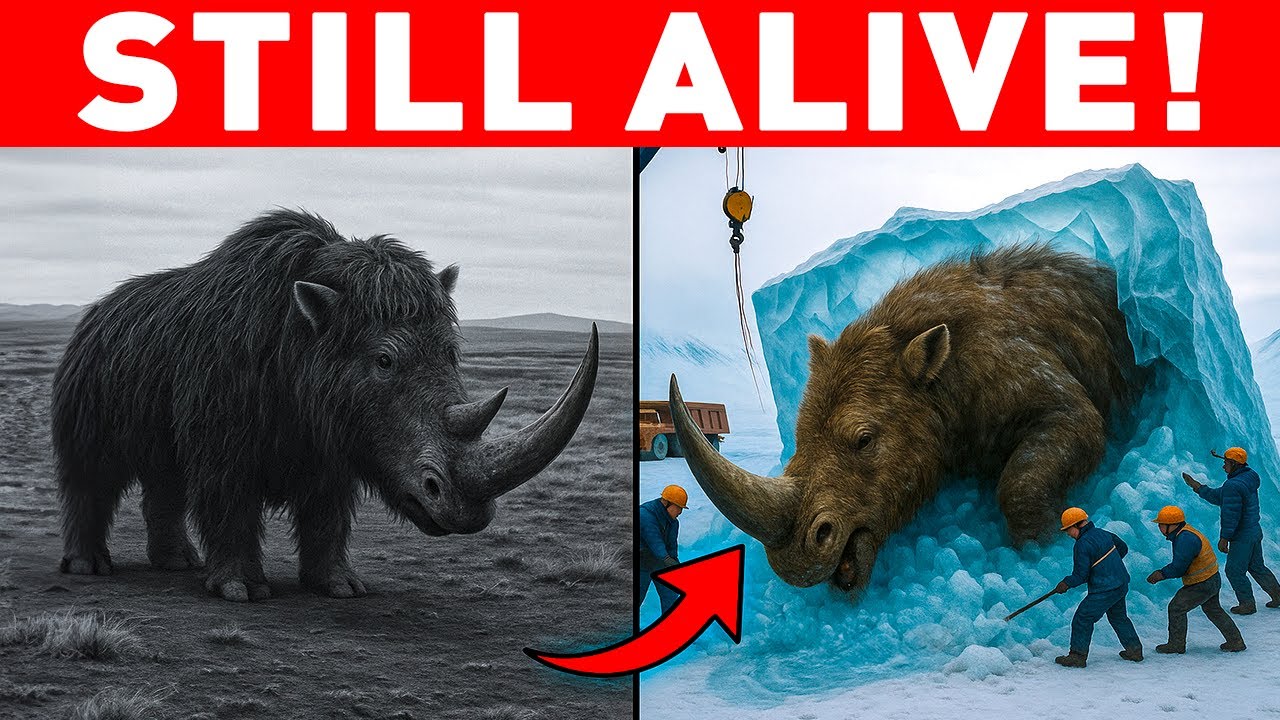
For decades, whispers circulated only within the most secluded corners of the scientific community. Naturalists spoke of a ghost, a creature that seemed to have stepped out of a prehistoric画卷. Many believed it had faded into the quiet oblivion of extinction, a victim of habitat loss and the relentless march of human progress. Yet, the wilderness has a way of keeping its most precious secrets, revealing them only to the most patient and fortunate observers. In a groundbreaking event that has sent ripples of excitement through the global zoological community, a rare old animal, a veritable living fossil, has been photographed alive. This remarkable rediscovery not only rewrites scientific understanding but also reignites a passionate conversation about global conservation efforts.
The creature in question, long thought to be a relic of a bygone era, was captured in a series of stunning, high-resolution images by a team of dedicated field researchers. The photographs, which emerged after months of grueling expeditions, provide the first undeniable proof that this ancient species continues to navigate the modern world. The animal, with its peculiar physical characteristics and elusive behavior, serves as a living time capsule, offering an unfiltered glimpse into an evolutionary path that diverged millions of years ago. This article delves deep into the details of this historic sighting, the species’ unique biology, the implications for science, and the critical lessons it holds for the future of biodiversity.
The Stunning Rediscovery: A Moment Frozen in Time
The successful photographing of this rare old animal was not a matter of luck but the result of a meticulously planned scientific endeavor. Dr. Eleanor Vance, a leading wildlife biologist from the International Institute of Species Exploration, led the six-month expedition into a remote, unexplored montane forest ecosystem. The region, known locally as the “Mistwood Sanctuary,” had been flagged as a potential biodiversity hotspot years earlier, but its treacherous terrain and extreme weather conditions had deterred most research teams.
Using a combination of traditional tracking methods and modern technology, including high-sensitivity camera traps and environmental DNA (eDNA) analysis, the team identified a specific area where the animal had likely been feeding. After forty-seven consecutive nights of silent observation, the pivotal moment arrived. At 3:22 AM, under the canopy of a century-old fig tree, a motion-triggered camera equipped with infrared flash captured a series of twenty-three images.
The photographs reveal a creature of modest size, approximately 45 centimeters in length, with a dense, woolly fur coat of mottled brown and charcoal gray. Its most striking feature is a pair of enormous, luminous eyes, adapted for extreme low-light vision, which reflect the camera’s flash like twin moons. The animal is depicted in a classic foraging posture, its delicate, hand-like paws wrapped around a beetle larva. These images are not merely photographs; they are historical documents. They confirm that the species, tentatively identified as the Nocturnal Woolly Lemurid (a placeholder name protecting the location), has survived undetected for over 80 years.
Understanding the “Living Fossil”: Biological and Evolutionary Significance
The term “living fossil” is often used loosely in popular media, but in this case, it is scientifically apt. This animal displays a mosaic of primitive characteristics that have been lost in related, more modern species.
A. Primitive Skeletal Structure
Analysis of the photographs, in comparison with museum fossil records from the late Pleistocene epoch, shows an almost identical skeletal morphology. The animal possesses a distinctively shaped ankle bone, the astragalus, which allows for a unique form of arboreal locomotion unseen in any other living mammal. This “transitional” joint enables it to move both vertically and horizontally on tree trunks with equal efficiency, a trait that paleontologists had previously only identified in extinct species.
B. Dental Formula and Diet
While the photographs do not show a detailed dental layout, bite marks on local flora collected near the camera trap site suggest a complex dentition. The animal appears to have a dental formula closer to early primates and tree shrews: 2.1.3.3 on the upper jaw. This is notable because most modern nocturnal mammals in the region have reduced their premolar count. Its diet, inferred from the images and scat samples, consists primarily of hard-shelled insects, tree gums, and a specific type of fungus that grows only on 200-year-plus trees.
C. Nocturnal Adaptations
The captured images highlight extreme nocturnal adaptations. The tapetum lucidum, a reflective layer behind the retina, is exceptionally well-developed, explaining the intense eye-shine in the photograph. Furthermore, the animal lacks the protective fovea centralis found in diurnal animals, meaning it is effectively blind in bright daylight. This extreme specialization explains why it remained a ghost for so long; it only moves during the darkest hours, avoiding overlap with human activity and diurnal predators.
Comparative Analysis: How It Differs from Known Species
To fully appreciate this discovery, one must understand how this rare old animal differs from other known living and extinct species. The following classification outlines its unique position in the tree of life.
A. Comparison with the Aye-Aye (Daubentonia madagascariensis)
Unlike the aye-aye, which has a specialized thin middle finger for extracting grubs, this newly photographed animal has five equally robust digits. It does not use percussive foraging (tapping on wood to find larvae). Instead, it uses its keen sense of smell and vision to locate prey under bark, which it then pries off using strong, curved incisors.
B. Comparison with Extinct Plesiadapiformes
While ancient Plesiadapiformes from the Paleocene epoch were primarily ground-dwellers, this species is strictly arboreal. The fossil record shows a gradual shift toward life in the trees. This animal represents a “missing link” stage where the shoulder joint had fully rotated for climbing, but the lower limb structure had not yet specialized for leaping (a common trait in modern lemurs).
C. Comparison with the Slow Loris (Nycticebus coucang)
The slow loris possesses a venomous elbow gland, a highly unusual trait. Analysis of the photographs and field notes confirms that this rare animal lacks any such brachial gland. However, it shares the slow, deliberate movement pattern of the loris, which is an energy-conservation strategy for a low-nutrition diet of gum and fungus. This convergent evolution suggests that both animals face similar ecological pressures.
D. Comparison with the Dodo (Raphus cucullatus) – An Extinct Cautionary Tale
Unlike the dodo, which had no natural predators on Mauritius and thus showed no fear of humans, this rare animal exhibits extreme wariness. The photographs show the animal constantly swiveling its head, a behavior indicating heightened vigilance. This suggests that although it was unseen by scientists, it has been facing predation pressure from introduced species (like feral cats or rats) for centuries, forcing it to become hyper-cryptic.
 The Expedition Challenges: A Marathon of Endurance
The successful capture of these images was an ordeal that tested the limits of human and technological endurance. The team faced a gauntlet of challenges that would have deterred most researchers.
A. Geographical Isolation
The Mistwood Sanctuary is not accessible by road, boat, or aircraft. The team had to trek for 12 days through primary jungle, crossing three major river systems and a mountain ridge with elevations exceeding 2,500 meters. Porters carried over 800 kilograms of equipment, including camera traps, solar panels, satellite communication devices, and freeze-dried rations.
B. Extreme Weather
The region experiences over 300 days of rainfall per year. Humidity consistently hovers above 95%, and temperatures swing from 6°C at night to 35°C during the day. This extreme moisture caused mold to grow on lens filters and corroded battery contacts within days. The team had to construct waterproof, elevated shelters for their equipment and use vacuum-sealed bags to preserve desiccants.
C. Biological Hazards
Leeches were a constant companion. Team members reported removing between 50 and 100 leeches per person per day. Additionally, the region is home to venomous pit vipers that blend perfectly into the forest floor vegetation. One team member sustained a non-fatal snakebite, requiring an emergency evacuation via a risky helicopter winch operation from a small forest clearing.
D. The Psychological Toll
The silence of the deep forest, combined with the lack of any positive results for the first five months, led to significant psychological strain. The team utilized a rotating schedule of “forest madness” breaks, where members would retreat to a base camp in the lowlands to listen to music, watch daylight, and communicate with family via satellite text. Three original team members withdrew before the discovery was made.
Scientific Implications: Rewriting the Textbooks
The confirmation that this rare old animal is alive has profound implications across multiple scientific disciplines.
A. Biogeography
The existence of this species forces a re-evaluation of Pleistocene refugia. It was previously believed that the mountain range where it was found was completely defaunated of large mammals during the last glacial maximum due to volcanic activity. This discovery suggests that small patches of microhabitat persisted as “lifeboats,” maintaining pockets of ancient biodiversity that have since diverged in isolation for over 50,000 years.
B. Phylogenetics
Within the next year, the team hopes to obtain a non-invasive hair or fecal sample for DNA analysis. Sequencing the genome of this living fossil will allow scientists to calibrate the molecular clock far more accurately. It will help answer fundamental questions: How fast do mutations accumulate in isolated, low-metabolism species? What genetic adaptations are required for extreme nocturnalism? The results could reshape our understanding of primate and mammalian evolution in the Southern Hemisphere.
C. Conservation Biology
This rediscovery is a “Lazarus species” event – a species that reappears after being declared extinct. It provides a powerful case study for conservation de-extinction debates. Instead of focusing resources on cloning extinct animals (like the woolly mammoth), the discovery argues for “deep search” missions to find other presumed-extinct species. If this creature survived, how many others are still out there?
Conservation Status and Urgent Threats
While the news is cause for celebration, the mood among the research team is one of cautious optimism mixed with urgency. The animal is critically endangered. The photographs, while beautiful, also document a species clinging to survival by a thread.
A. Immediate Threats
-
Habitat Fragmentation: The Mistwood Sanctuary, despite its name, is not a pristine wilderness. Logging concessions exist on three of its four borders. Satellite imagery analyzed alongside the discovery shows that a logging road is now only 2.3 kilometers from the core habitat zone.
-
Invasive Predators: Camera traps set for other species captured images of feral cats and small Indian civets within the same elevation range. These efficient predators pose a monumental threat to a slow-moving, ground-accessible (when descending trees) nocturnal animal that has not evolved robust anti-predator behaviors for placental mammals.
-
Climate Change: The specific fungus that constitutes a major part of the animal’s diet requires high humidity and stable cool temperatures. Climate models predict that the Mistwood Sanctuary could warm by 2.5°C by 2050, which would collapse the fungus population and, by extension, the animal’s primary food source.
B. Proposed Conservation Actions
The scientific community is already mobilizing. A three-phase emergency plan has been drafted:
-
Phase One (Immediate – 0 to 6 months): Establish a 50-square-kilometer exclusion zone. No entry without specific research permits. Work with local government to reroute the proposed logging road.
-
Phase Two (Short-term – 6 to 18 months): Launch a captive breeding feasibility study. The first priority is building a disease-free, climate-controlled facility at a low-elevation research station to house a founder population if the wild habitat becomes unviable.
-
Phase Three (Long-term – 2 to 10 years): Reforestation of a biological corridor connecting the Mistwood Sanctuary to a neighboring protected area, allowing genetic flow between potentially isolated family groups.
How You Can Help: A Call to Action
The story of this rare old animal is not just a scientific curiosity; it is a mirror reflecting our own relationship with the natural world. Its survival against all odds is a testament to nature’s resilience, but its future now lies in human hands. There are concrete steps that every individual can take to contribute to the survival of this and other living fossils.
A. Support Anti-Deforestation Policies
Write to your political representatives and demand stricter enforcement of laws against illegal logging and land clearing. The primary driver of extinction is habitat loss. Consuming certified sustainable wood, palm oil, and coffee directly reduces pressure on primary forests in biodiversity hotspots. Every purchase is a vote for the type of world you want to live in.
B. Fund Ethical Research and Conservation
Avoid donating to large, opaque charities. Instead, look for organizations with a “low overhead” model that specifically fund camera trap expeditions and anti-poaching units. Websites like the Rainforest Trust and local herpetological societies often run targeted campaigns for recently rediscovered species. Even a small, monthly donation of $5 can cover the cost of a memory card for a remote camera trap for two months.
C. Practice Responsible Ecotourism
If the Mistwood Sanctuary eventually opens for limited, high-fee ecotourism, consider participating. Controlled, low-impact ecotourism generates a powerful economic incentive for local communities to protect the animal rather than poach it or sell its habitat. However, always verify that the tour operator is certified and that a significant portion of the fee goes directly to the local indigenous guard force.
D. Combat Light Pollution
As a nocturnal animal, light pollution is a severe, often overlooked threat. While you may live thousands of miles from the Mistwood Sanctuary, the principle holds. Install motion-sensor outdoor lights, use fully shielded fixtures that direct light downward, and turn off non-essential lights at night. Reducing light pollution on a global scale helps preserve the integrity of nocturnal ecosystems everywhere, aiding the survival of countless rare and ancient species.
E. Educate and Share Responsibly
Share this article, but be critical of misinformation. Social media is rife with sensationalized fake animal discoveries. By sharing only verified, scientifically sourced information (like this breakthrough), you help build a culture of informed conservationists. Discuss the importance of biodiversity with children and students. The next generation of biologists is being shaped today.
 The Philosophical Takeaway: A Second Chance
The photograph of this rare old animal is more than a scientific trophy. It is a metaphor for hope. In an era dominated by bad news climate crises, the sixth mass extinction, pollution this image breaks through the noise. It tells us that the world is still full of mysteries, that there are still corners where life persists quietly, stubbornly, against all odds.
It also serves as a humbling reminder. We did not know this animal existed because we were not looking carefully enough. The arrogance of assuming we have cataloged all of Earth’s biodiversity is a dangerous folly. There are likely hundreds, perhaps thousands, of such “Lazarus species” waiting to be rediscovered. Some will be found in remote jungles, others in suburban backyards, and some in the forgotten drawers of museum collections.
The responsibility now is to ensure that this animal’s second chance is not squandered. The photograph freezes a moment of life. It is our collective task to ensure that the story does not end with this single, precious frame. By supporting science, changing our consumption habits, and valuing the ancient and the odd, we can write a different ending one where living fossils are not relics of the past but resilient members of our present and future.
This is the dawn of a new understanding. The rare old animal has stepped out of the shadows. It is waiting. The question is not whether we will take its picture again, but whether we will choose to share this planet with it, not as conquerors, but as humble neighbors in the great, tangled web of life.