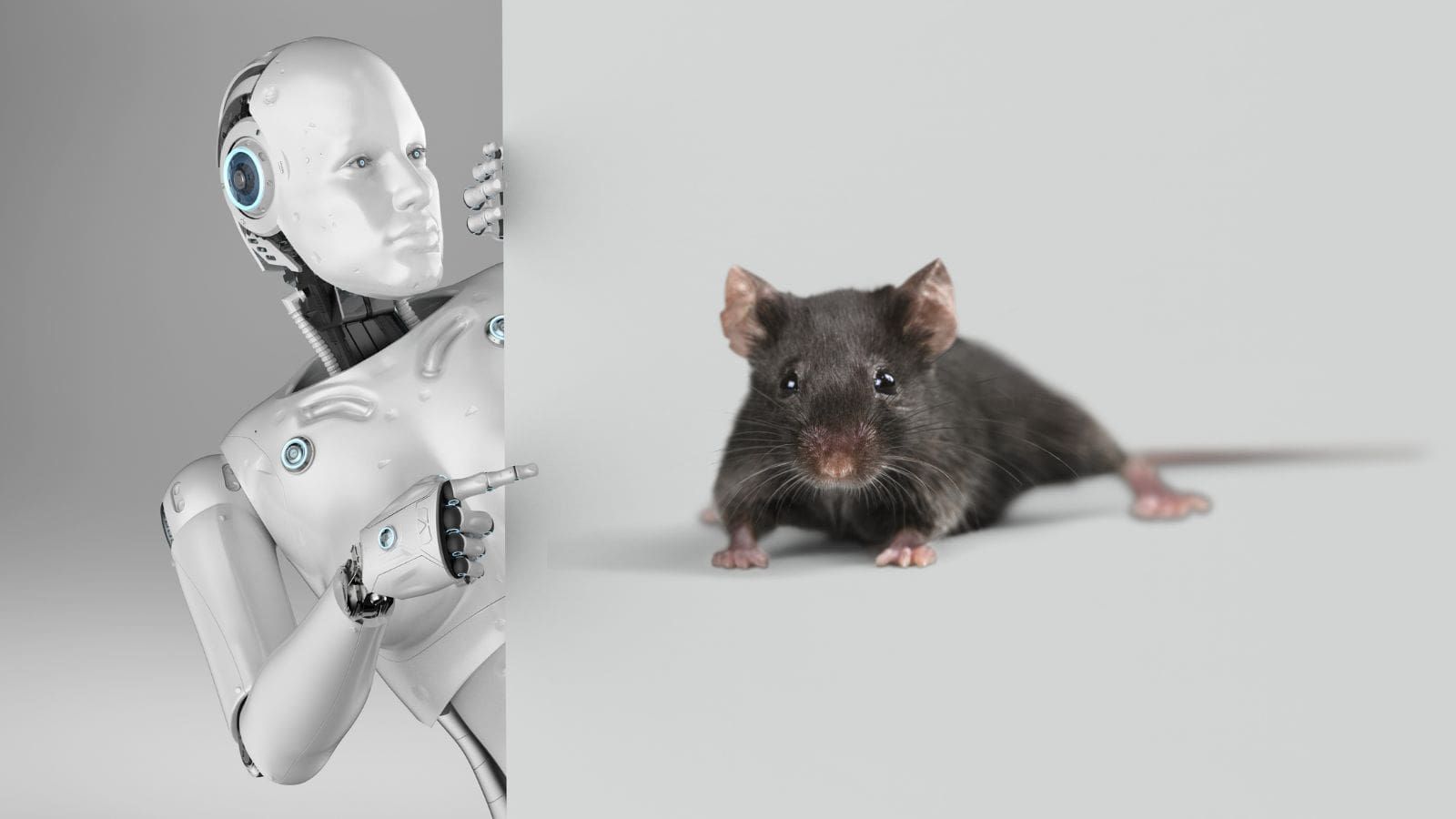
For centuries, humans have relied on real animals for companionship, labor, transportation, and scientific discovery. From horses plowing fields to dogs guiding the blind, animals have been indispensable partners in our daily lives. However, rapid advancements in robotics, artificial intelligence (AI), and materials science are now challenging this ancient relationship. Engineers and technologists worldwide are developing lifelike robotic creatures that can mimic, and in some cases surpass, the abilities of living animals. This article explores the coming era where future robots may replace real animals across multiple sectors, the technology behind this shift, and the profound ethical and environmental questions it raises.
Why Replace Real Animals with Robots?
The push toward robotic animals is driven by several urgent global challenges. Understanding these motivations helps clarify why so much investment is flowing into bio-inspired robotics today.
A. Ethical Concerns Over Animal Welfare
Millions of animals suffer in laboratories, circuses, farms, and even as household pets when owners cannot provide proper care. Robotic alternatives eliminate pain, fear, and exploitation entirely. For instance, robotic dogs used in dementia therapy never feel stress or exhaustion, and synthetic laboratory mice can reduce the need for live animal testing by up to 80 percent according to recent studies.
B. Environmental and Resource Pressures
Raising livestock for food, fiber, or labor consumes vast amounts of land, water, and energy. Industrial animal agriculture contributes nearly 15 percent of global greenhouse gas emissions. Robotic animals require only electricity, which can be generated from renewable sources, and they produce no methane, manure, or runoff pollution.
C. Cost Efficiency and Long-Term Reliability
While initial development of a robotic guide horse or patrol dog is expensive, mass production dramatically lowers costs. A robotic animal does not need food, veterinary care, breeding programs, or daily rest. It operates 24 hours a day, seven days a week, with consistent performance. For businesses and governments, this reliability translates into significant long-term savings.
D. Hazardous Environment Operations
Real animals cannot survive in toxic waste sites, deep-sea volcanic vents, or radioactive disaster zones. Robots built like snakes, crabs, or insects can explore these dangerous areas, collecting data and performing rescues without risking any living creature’s life.
Current State of Robotic Animals
Before looking at the future, we must understand what already exists today. Several robotic animals are already in commercial or research use, serving as proof of concept for broader replacement.
A. Robotic Companion Pets
Sony’s Aibo robot dog, first released in 1999 and updated multiple times since, can recognize faces, learn tricks, and express emotions through LED eyes and body movements. Unlike a real dog, Aibo never bites, never needs walking, and never dies. In Japan, thousands of elderly people have adopted Aibo as a primary companion, reporting reduced loneliness and anxiety.
B. Industrial Robot Animals
Boston Dynamics’ Spot, a four-legged robot resembling a dog, climbs stairs, opens doors, and carries payloads up to 14 kilograms. Spot inspects power plants, construction sites, and offshore oil rigs – jobs formerly done by human workers with detection dogs. Similarly, robotic “snakes” from Carnegie Mellon University slither through collapsed buildings searching for earthquake survivors.
C. Agricultural and Environmental Robots
Farmers now deploy robot sheepdogs like SwagBot from Australia, which herds cattle without barking or biting. Underwater, robotic fish monitor coral reef health and detect pipeline leaks. On land, robotic pollinators shaped like bees are being tested to supplement declining natural bee populations.
D. Military and Police Robot Animals
The U.S. military has tested Cheetah robots that run faster than any human, and robotic mules that carry equipment over rough terrain. Police departments use robotic K9 units for bomb detection and hostage negotiations, removing real dogs from the line of fire.
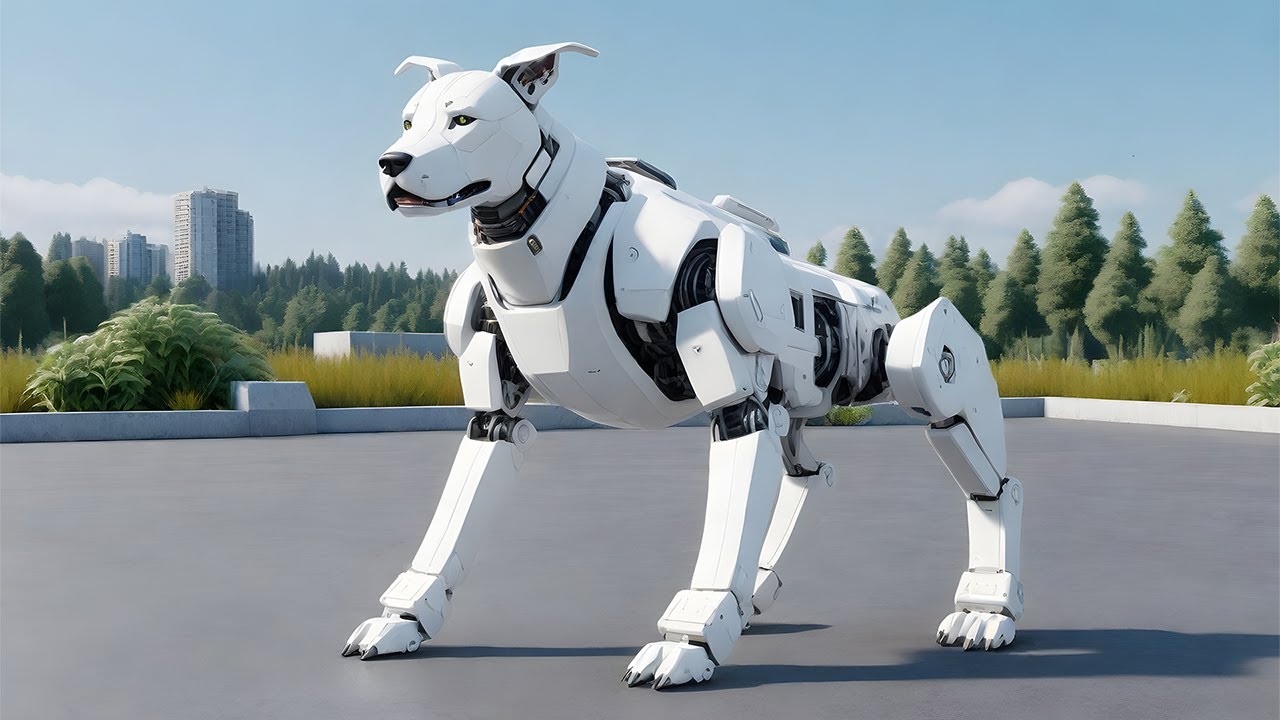 How Future Robots Will Surpass Real Animals
Current models are impressive, but future generations of robotic animals will achieve capabilities impossible for biological creatures. Let us examine the key technological breakthroughs on the horizon.
A. Self-Healing and Adaptive Materials
Biological animals heal slowly and imperfectly. Future robots will incorporate self-repairing polymers and shape-memory alloys. A scratch or dent will disappear within minutes when exposed to heat or light. Some laboratory prototypes already regenerate torn artificial muscles, mimicking the healing of real tissue but much faster.
B. Biological-Level Sensory Systems
Today’s robots see with cameras and hear with microphones. Tomorrow’s robots will use biosensors that detect pheromones, electromagnetic fields, and pressure changes as subtle as a single falling leaf. Researchers have cloned olfactory receptors from insects to create electronic noses a thousand times more sensitive than a bloodhound’s. A future robotic search-and-rescue dog could smell a buried survivor through meters of concrete.
C. Swarm Intelligence and Coordination
Real animals communicate in limited ways. Future robotic swarms will share data instantly via encrypted wireless networks. Thousands of robotic ants could map a collapsed mine in seconds, each unit relaying its position and findings to the others. No real ant colony could ever coordinate with such precision and speed.
D. Energy Independence Through Ambient Harvesting
Biological animals must eat, which takes time and creates waste. Future robots will harvest energy from their surroundings: solar, thermal, vibrational, and even radio waves. A robotic squirrel in a forest could recharge from weak sunlight filtering through leaves. A robotic fish could generate electricity from ocean currents. Some designs incorporate microbial fuel cells that digest organic matter, truly blurring the line between robot and animal.
E. Morphological Adaptation
Unlike real animals with fixed body plans, future robots will change shape on demand. A patrol robot might walk as a dog, then reconfigure into a snake to enter a pipe, then into a hawk to fly over a wall. This shapeshifting ability, already demonstrated in soft robotics labs, gives a single machine the versatility of an entire zoo.
Applications Where Robots Will Replace Animals First
Not every animal role will be automated simultaneously. Certain applications face less emotional resistance and offer clearer economic benefits. Below are the sectors most likely to see full robotic replacement within the next two decades.
A. Laboratory Testing Animals
Mice, rats, rabbits, and primates suffer tremendously in medical research. Robotic surrogates with simulated organ systems, artificial circulatory networks, and programmable responses can predict human drug reactions more accurately than live animals. The European Union has already funded multiple projects to replace animal testing with robotic platforms, citing improved ethics and superior data quality.
B. Service and Therapy Animals
Guide dogs for the blind require two years of expensive training and have working lives of only six to eight years. A robotic guide dog, equipped with LiDAR, GPS, and AI pathfinding, could serve for twenty years without retraining. Similarly, therapy animals in hospitals and nursing homes risk transmitting diseases and may bite when stressed. Robotic seals, cats, and dogs already provide comfort without any health risks.
C. Agricultural Herding and Pest Control
Sheep, cattle, and poultry operations use dogs, horses, and even trained ferrets for herding and rodent control. Autonomous robot herders can work in extreme weather, never attack livestock, and transmit real-time health data about the herd to farmers. Robot cats equipped with laser rangefinders and silent motors hunt mice in grain silos far more efficiently than any real feline.
D. Entertainment and Display
Zoos, circuses, and marine parks keep wild animals in captivity for public display. Audiences are increasingly uncomfortable with this practice. Robotic pandas, dolphins, and elephants can perform the same behaviors on command, never get sick, and offer interactive features like speaking to visitors. China has already opened a “robot zoo” where every creature is electromechanical, and attendance has exceeded expectations.
E. Military Combat and Scout Animals
Horses, dogs, dolphins, and even bats have been conscripted into military service. Modern warfare uses animals to detect mines, carry supplies, and locate enemies. Robots, however, can be armored, weaponized, and sacrificed without moral cost. The U.S. Navy’s mine-detecting dolphins are already being phased out in favor of robotic underwater vehicles.
The Limitations and Unresolved Problems
Despite the enthusiasm, no serious analysis can ignore the challenges. Replacing real animals with robots presents several difficult barriers, some technological and others deeply emotional.
A. The Question of Authentic Companionship
Can a robot truly love you back? Many people form emotional bonds with robotic pets, but critics argue that this attachment is one-sided. A real dog chooses to stay with you; a robot has no choice because it has no consciousness. For lonely individuals, a robotic companion may alleviate symptoms without addressing the underlying need for mutual relationship.
B. Technical Reliability and Failure Modes
Real animals break bones and get infections, but they often continue trying to function. Robots can suffer catastrophic software crashes, corrupted memory, or mechanical seizures that leave them completely inert. A robotic guide dog that freezes in the middle of a busy intersection could cause the death of its handler. Redundant systems help, but no machine is infallible.
C. High Initial Costs and E-Waste
Producing a fully autonomous, lifelike robotic animal requires advanced sensors, processors, actuators, and batteries. The first generation of these devices will cost tens of thousands of dollars, far beyond the reach of ordinary pet owners. Additionally, when a robot reaches end-of-life, its electronic components become toxic e-waste. Real animals, by contrast, decompose naturally and can even enrich soil.
D. Loss of Biodiversity and Ecological Knowledge
If society replaces working animals with robots, we may accelerate the decline of domesticated breeds already at risk. More concerning, our collective understanding of animal behavior, ecology, and medicine could atrophy. Generations raised with robotic pets might never learn to read a real dog’s body language or recognize the call of a wild bird. This knowledge is irreplaceable.
Ethical Frameworks for a Mixed Future
Given the pros and cons, a complete and immediate replacement of all real animals by robots is neither possible nor desirable. Instead, experts propose a deliberate, phased approach guided by three core principles.
A. The Precautionary Principle
Before replacing a real animal in any role, roboticists and ethicists should prove that the robot causes no net harm to humans, other animals, or ecosystems. For example, releasing robotic pollinators into the wild requires careful study of how real bees might react. Could the robots spread disease or disrupt mating patterns?
B. The Principle of Necessity
Robots should replace real animals only when necessary for human safety, animal welfare, or environmental protection. Keeping an animal simply for tradition, when a robot could perform the same function with less suffering, would be unethical. Conversely, keeping a real animal when a robot offers no significant benefit over a happy, healthy creature would also be wrong.
C. The Principle of Transparency
Manufacturers and governments must clearly label robotic animals as artificial. Deception, whether for commercial profit or social control, violates informed consent. A robotic pet sold to an elderly person should never be marketed as “just like a real dog.” Users deserve to know exactly what they are bonding with.
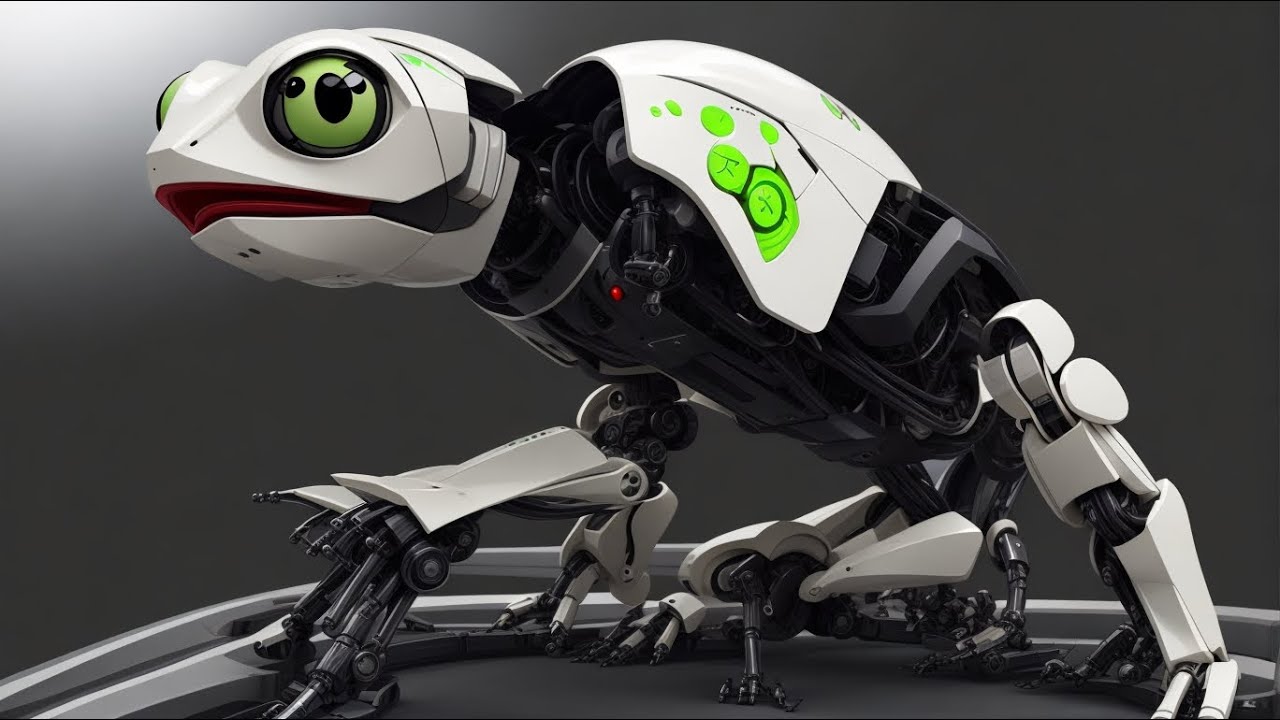 Future Scenarios: What Life Looks Like in 2050
To make these abstract concepts concrete, consider two possible futures depending on the choices we make today.
Scenario One: Responsible Integration
By 2050, robotic animals handle the most dangerous, dirty, and repetitive jobs: mine detection, nuclear plant inspection, deep-sea exploration, and agricultural pest control. Real animals live as pets, in wildlife reserves, and on small ethical farms. Therapy and service dog programs still exist but are complemented by robotic alternatives for people allergic to or afraid of real animals. Zoos have evolved into biobanks that preserve genetic material and showcase only rescued animals, while robot replicas entertain crowds. Children learn robotics and biology side by side.
Scenario Two: Mass Replacement
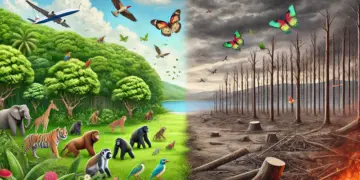
By 2050, economic pressures have eliminated most working and companion animals. Real dogs and cats are luxuries for the wealthy. The middle class owns robodogs that never shed, never bark at night, and can be turned off when not needed. Police forces use robotic horses that never tire. Restaurants serve only plant-based and lab-grown meat; no livestock exist outside of frozen gene banks. Wild animal populations have collapsed further due to habitat loss, but robotic birds fill the skies to maintain the illusion of nature. Critics call this the “plastic planet.”
Most governance and technology experts find Scenario Two dystopian, yet elements of it are already unfolding. The goal of this article is not to predict with certainty, but to prepare readers for choices ahead.
Conclusion: Coexistence, Not Erasure
The question is not whether future robots will replace some real animals in some roles – they already have. The true question is which roles, how quickly, and under what ethical constraints. A thoughtful society will use robotic animals to reduce suffering, protect endangered species, and extend human capability into environments too harsh for biology. However, we must resist the temptation to discard our biological heritage entirely.
Real animals offer something no robot can provide: millions of years of evolutionary wisdom, genuine emotional presence, and a connection to the living world that grounds our humanity. The ideal future is not a sterile museum of extinct creatures surrounded by chirping machines. It is a balanced world where a child can come home to a purring cat made of flesh and, when a disaster strikes, send a robotic dog into the flames without a moment’s hesitation.
As engineers perfect self-healing polymers and swarm intelligence, let us also perfect our compassion. Robots replace tasks, not meaning. The real value of animals lies not in their utility but in their irreplaceable existence. If we remember that, we can build a future where technology serves life – all life – rather than substituting for it.