The world is currently witnessing an unprecedented acceleration in the decline of animal populations across every continent and ocean. What was once a distant concern for environmentalists has now transformed into a direct and immediate threat to the stability of natural ecosystems, food chains, and even human civilization itself. Scientists, ecologists, and conservationists are raising their voices louder than ever, warning that the global animal crisis is no longer a future prediction but a present-day catastrophe unfolding before our eyes. The rapid loss of biodiversity, driven by human activities, climate instability, habitat fragmentation, and illegal wildlife trade, has pushed millions of species to the brink of extinction. This article explores the severity of this rising crisis, its root causes, devastating consequences, and the urgent measures required to reverse the damage before it becomes permanently irreversible.
The Alarming Speed of Species Decline
Recent reports from leading environmental organizations, including the World Wildlife Fund (WWF) and the International Union for Conservation of Nature (IUCN), indicate that global wildlife populations have plummeted by nearly 70 percent on average over the last five decades. In some regions, such as Latin America and the Caribbean, that number reaches a staggering 94 percent. Freshwater species, marine life, and terrestrial animals are all suffering massive losses. The rate of extinction today is estimated to be anywhere from 1,000 to 10,000 times higher than the natural background rate. This means species that once took millions of years to evolve are vanishing within a single human lifetime. The global animal crisis rising fast is not an exaggeration; it is a statistical reality backed by decades of rigorous scientific observation.
Major Causes Behind the Crisis
Understanding why this crisis is accelerating so rapidly requires a deep examination of the interconnected pressures placed upon animal populations. No single factor is responsible; instead, a dangerous combination of human-induced changes is overwhelming the ability of species to adapt or recover.
A. Habitat Destruction and Fragmentation
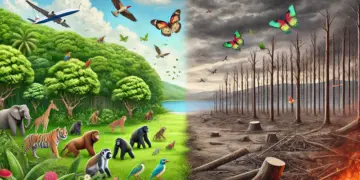
The single largest driver of animal decline is the destruction of natural habitats. Forests, wetlands, grasslands, and coral reefs are being cleared, drained, or degraded at an alarming rate to make way for agriculture, urban expansion, mining, and infrastructure projects. When animals lose their homes, they lose their sources of food, shelter, mating grounds, and protection from predators. Habitat fragmentation further worsens the problem by breaking large populations into smaller, isolated groups that cannot interbreed, leading to genetic decline and local extinctions.
B. Climate Change and Extreme Weather
Rising global temperatures are altering ecosystems faster than many species can adapt. Polar bears depend on sea ice for hunting seals, but Arctic ice is melting earlier each spring and forming later each autumn. Coral reefs are experiencing mass bleaching events due to ocean warming, killing vast underwater cities that support a quarter of all marine species. Shifting weather patterns also disrupt migration routes, breeding cycles, and food availability. Animals that cannot relocate to cooler areas or adjust their behaviors face starvation or death.
C. Overexploitation and Poaching
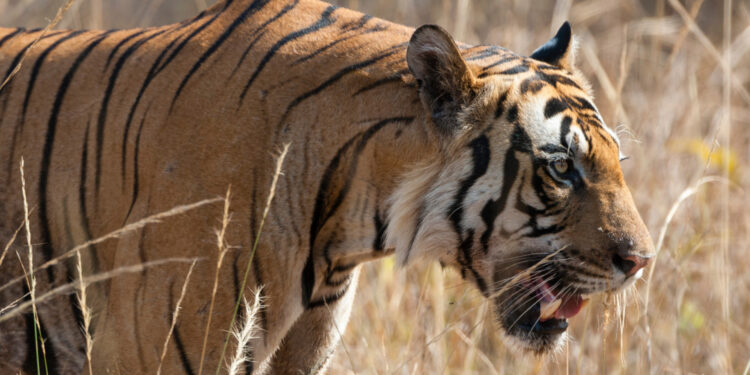
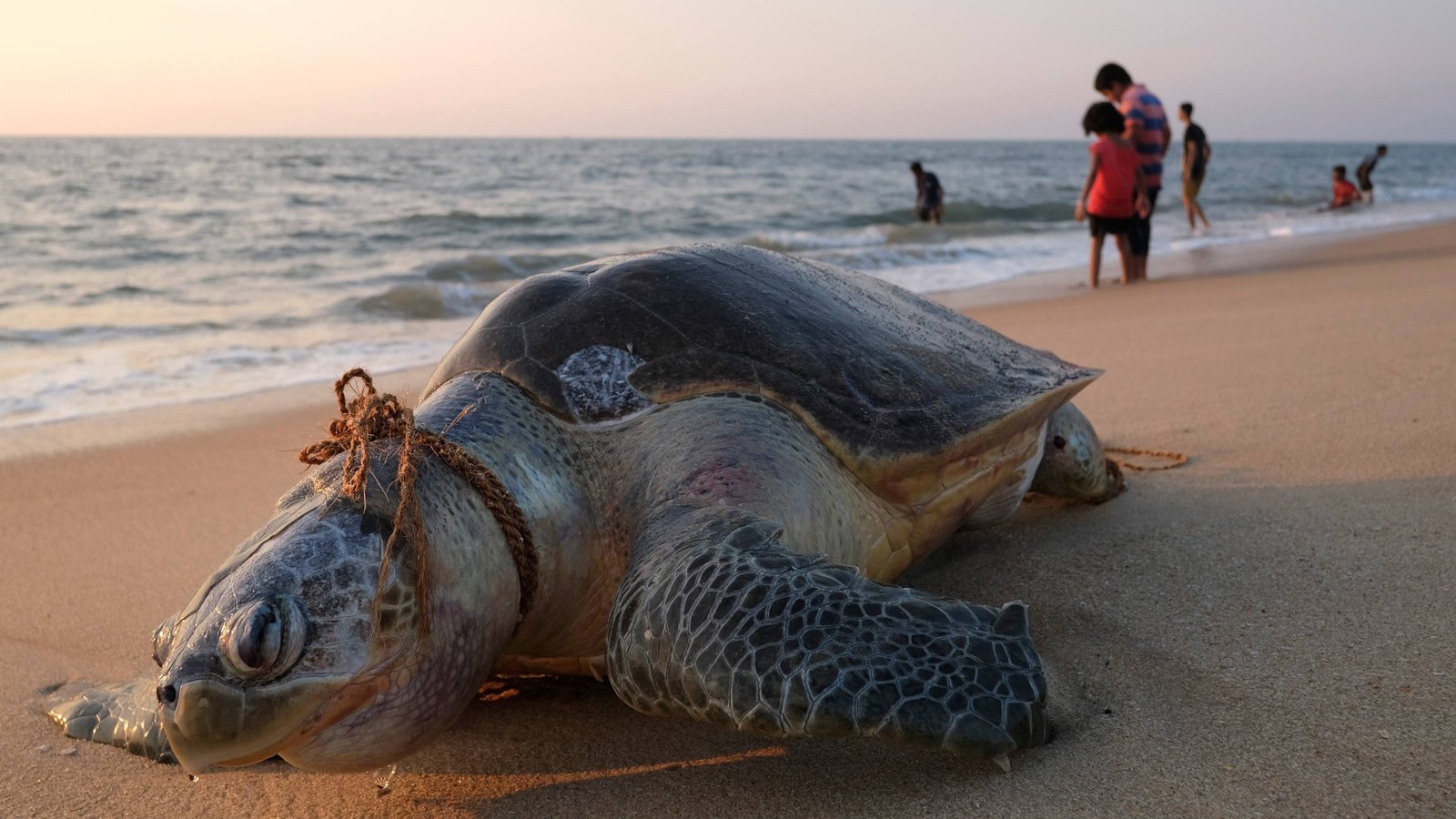
Illegal hunting, poaching, and overfishing continue to decimate animal populations despite international laws and protections. Elephants are killed for their ivory tusks, rhinos for their horns, and tigers for their skins and bones used in traditional medicines. In the oceans, industrial fishing fleets harvest fish faster than they can reproduce, leading to population collapses of species like bluefin tuna and Atlantic cod. Bycatch—the accidental capture of non-target species—kills millions of dolphins, sea turtles, sharks, and seabirds every year.
D. Pollution and Toxic Contamination
Plastic waste, chemical runoff, oil spills, and noise pollution are poisoning animal habitats worldwide. Microplastics have been found in the stomachs of deep-sea creatures, birds, and even terrestrial animals far from human settlements. Agricultural pesticides and fertilizers run off into rivers and oceans, creating dead zones where oxygen levels drop so low that fish and other marine life suffocate. Noise pollution from ships, sonar, and construction interferes with the echolocation abilities of whales and dolphins, causing strandings and disorientation.
E. Invasive Species and Disease
When humans introduce non-native plants, animals, or pathogens into new environments, native species often lack defenses against them. Invasive predators like rats, cats, and snakes have wiped out entire bird populations on isolated islands. Fungal diseases such as chytridiomycosis have driven hundreds of amphibian species to extinction. The global movement of goods and people accelerates the spread of wildlife diseases, which can jump between species and even threaten human health.
 Consequences of the Rising Animal Crisis
The rapid loss of animal species is not just a tragedy for the natural world; it has direct and severe consequences for human survival. Healthy ecosystems provide essential services that we often take for granted.
A. Collapse of Food Chains
Every animal plays a role in its ecosystem. When top predators like wolves, lions, or sharks are removed, prey populations explode, leading to overgrazing, crop destruction, and imbalances that ripple downward. When pollinators like bees, butterflies, and bats disappear, flowering plants including many of the world’s food crops cannot reproduce. The loss of even a single key species can trigger a trophic cascade that transforms an entire ecosystem.
B. Loss of Natural Resources
Many human communities rely directly on animals for food, clothing, medicine, and income. Fisheries support the livelihoods of hundreds of millions of people. Wildlife tourism generates billions of dollars annually for developing nations. When animal populations crash, these economic and nutritional resources vanish, pushing vulnerable communities deeper into poverty and hunger.
C. Increased Human-Wildlife Conflict
As animal habitats shrink and natural prey becomes scarce, desperate predators may turn to livestock or even humans for food. Elephants raid crops, leopards attack villages, and bears forage through garbage dumps in search of calories. These encounters often result in the killing of the animals as well as injuries or deaths among people, fueling a destructive cycle of retaliation and further habitat loss.
D. Accelerated Climate Change
Healthy animal populations contribute to climate regulation in surprising ways. Whales fertilize ocean phytoplankton, which absorbs massive amounts of carbon dioxide. Elephants and other large herbivores maintain forests by dispersing seeds and clearing brush. When these animals decline, ecosystems lose their ability to store carbon, worsening the very climate crisis that threatens them.
Regional Hotspots of the Crisis
The global animal crisis is not evenly distributed. Certain regions are experiencing catastrophic losses faster than others.
A. Amazon Rainforest
Deforestation for cattle ranching and soybean farming has reduced jaguar, tapir, monkey, and bird populations by more than 50 percent in some areas. Fires intentionally set to clear land often burn out of control, destroying vast tracts of habitat.
B. Southeast Asia
The illegal wildlife trade is rampant here, with pangolins, orangutans, sun bears, and countless reptiles being smuggled across borders. Palm oil plantations have replaced ancient forests, leaving species like the Sumatran tiger with only tiny, fragmented refuges.
C. Arctic Regions
Melting sea ice is starving polar bears, walruses, and seals. Warmer temperatures also allow new predators and diseases to move north, threatening animals that evolved in isolation for millennia.
D. Coral Triangle
This marine region between Indonesia, Malaysia, and the Philippines holds the highest diversity of reef fish and corals on Earth. Overfishing, blast fishing, cyanide fishing, and ocean acidification are destroying these underwater rainforests at an alarming pace.
E. African Savannas
Despite global attention on elephant and rhino poaching, many other African species are also in trouble. Giraffe populations have declined by 40 percent in 30 years. Cheetahs, wild dogs, and vultures face multiple threats from poisoning, habitat loss, and persecution.
What Is Being Done to Address the Crisis
While the situation is dire, it is not hopeless. Around the world, governments, non-governmental organizations, indigenous communities, and private citizens are taking action to slow and reverse the global animal crisis.
A. Protected Areas and Wildlife Corridors
National parks, marine reserves, and wildlife sanctuaries now cover more than 15 percent of the Earth’s land and 7 percent of the oceans. Conservationists are also establishing corridors—strips of natural habitat that connect isolated reserves—allowing animals to migrate, find mates, and access seasonal resources.
B. Anti-Poaching and Law Enforcement
Specialized ranger units, drone surveillance, satellite tracking, and DNA forensics are being deployed to catch wildlife criminals. International treaties such as CITES (Convention on International Trade in Endangered Species) regulate or ban the trade of thousands of threatened species. Some countries have imposed severe penalties, including long prison sentences, for poaching.
C. Restoration and Rewilding
Efforts to replant forests, restore wetlands, and reintroduce locally extinct species are gaining momentum. Rewilding projects in Europe have brought back bison, beavers, and lynxes. In the United States, wolves were reintroduced to Yellowstone National Park, leading to a remarkable recovery of the entire ecosystem.
D. Sustainable Practices and Consumer Choices
Many industries are adopting sustainable fishing quotas, certified palm oil, and deforestation-free supply chains. Consumers can support these efforts by choosing products with eco-labels, reducing meat consumption, avoiding single-use plastics, and refusing to buy items made from endangered animals.
E. Scientific Innovation
Conservation scientists are using advanced technologies such as environmental DNA (eDNA) to detect rare species from water or soil samples. Artificial intelligence analyzes camera trap images to monitor populations. Genetic banks store frozen tissues and seeds to preserve biodiversity for future resurrection if worst-case scenarios occur.
How You Can Help Stop the Crisis
Individual actions may seem small, but collectively they create powerful change. Every person can contribute to solving the global animal crisis rising fast by making informed decisions and raising awareness.
A. Support Conservation Organizations
Donations to groups like WWF, the Wildlife Conservation Society, the Rainforest Trust, or local wildlife rescues directly fund on-the-ground protection efforts. Even small monthly contributions add up.
B. Reduce Your Ecological Footprint
Drive less, fly less, eat less meat and dairy, waste less food, and conserve water. These actions reduce habitat destruction, carbon emissions, and pollution.
C. Choose Sustainable Products
Look for certifications like Forest Stewardship Council (FSC) for wood products, Marine Stewardship Council (MSC) for seafood, and Roundtable on Sustainable Palm Oil (RSPO) for palm oil. Avoid products containing animal parts such as ivory, tortoiseshell, or coral.
D. Speak Up and Educate Others
Use social media, community meetings, or letters to elected officials to demand stronger environmental protections. Share accurate information about endangered species and the crisis. Encourage your school, workplace, or place of worship to adopt green policies.
E. Volunteer or Citizen Science
Participate in local cleanups, habitat restoration days, or wildlife counts. Apps like iNaturalist allow anyone to contribute valuable data on plant and animal sightings.
The Urgency of Immediate Action
Time is running out. Scientists warn that we are entering a sixth mass extinction event, the first caused by a single species: humans. Unlike previous mass extinctions triggered by asteroids or volcanic eruptions, this one can still be slowed and partially reversed—but only if global action begins now. Delaying action by another decade will lock in irreversible losses. Entire animal families that took 50 million years to evolve could vanish forever.
Governments must commit to protecting 30 percent of the planet’s land and oceans by 2030, a target known as 30×30. Corporations must stop financing deforestation and unsustainable extraction. Individuals must reexamine their daily habits and prioritize the planet’s health over convenience or profit. The global animal crisis rising fast is a test of our species’ ability to coexist with the millions of other creatures that share this Earth.
 Looking Ahead: Hope Amid the Crisis
Despite the grim statistics, there are inspiring success stories. The giant panda was downlisted from endangered to vulnerable thanks to decades of captive breeding and habitat protection in China. The humpback whale has rebounded from near extinction after the ban on commercial whaling. The black-footed ferret, once thought extinct, has been reintroduced to the American prairies through intensive captive breeding programs.
These successes prove that conservation works. They show that with sufficient political will, public support, and scientific knowledge, we can halt and reverse even severe declines. The difference between extinction and recovery is human choice.
The global animal crisis rising fast demands a response that is equally fast, coordinated, and determined. We owe it to future generations—human and animal alike—to act before it is too late. Every species lost is a chapter ripped from the story of life on Earth. Let us instead write a new chapter, one of restoration, respect, and coexistence.
Conclusion
The accelerating loss of animal species across every ecosystem on Earth is one of the most pressing emergencies of our time. Driven by habitat destruction, climate change, overexploitation, pollution, and invasive species, the global animal crisis is not a distant threat but a present reality. Its consequences extend far beyond the disappearance of beautiful or charismatic creatures; it threatens food security, economic stability, climate regulation, and human health. However, solutions exist. Through protected areas, anti-poaching enforcement, sustainable practices, restoration projects, and individual action, we can slow and reverse the trend. The question is not whether we have the tools, but whether we have the will. The rising crisis can be calmed, but only if the world responds with urgency, unity, and unwavering commitment to protecting our fellow inhabitants of this planet.