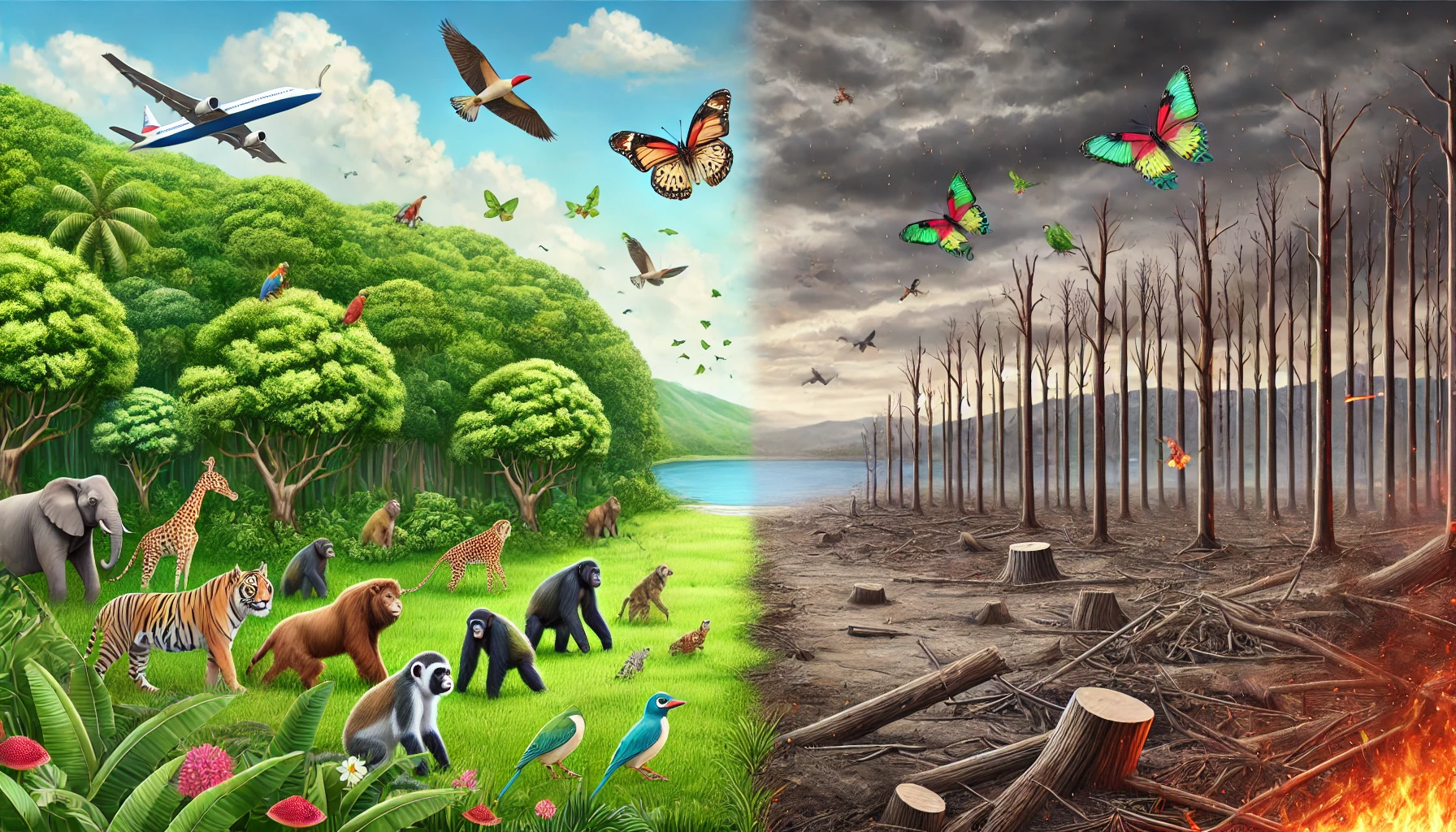
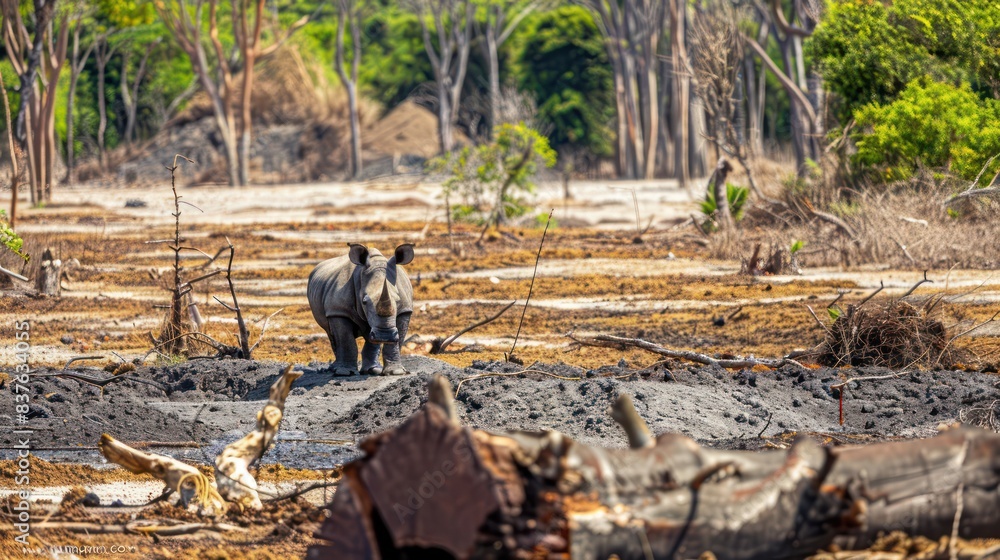
The natural world is shrinking at an unprecedented rate. Forests that once echoed with the calls of primates and birds are now silent, replaced by oil palm plantations and suburban housing complexes. Grasslands that supported vast herds of herbivores have been fenced off for cattle ranching and crop production. Wetlands that filtered water and provided nurseries for fish have been drained for infrastructure projects. For countless animal species, the concept of “home” is becoming a memory rather than a reality. The future of animals without natural habitats is not a distant dystopian fantasy it is a forecast already unfolding across every continent on Earth.
When we imagine animal futures, most people picture thriving national parks, protected rainforests, and healthy oceans. However, the data tells a different story. According to recent biodiversity reports, nearly one million species currently face extinction, many within decades. The primary driver? Habitat loss. Without natural habitats, animals face a cascade of survival challenges that go far beyond simply finding a place to sleep. This article explores the scientific, ethical, and practical dimensions of what happens when wild spaces vanish and whether any path remains to rewrite this ending.
Understanding Habitat: More Than Just Living Space
Before diving deeper, it is essential to clarify what a natural habitat truly provides. A habitat is not merely a geographic location. It is a complex, living system that offers everything an animal needs to survive and reproduce.
A. Food and Water Sources – Native plants, prey species, and freshwater bodies form the nutritional foundation of any animal population. When forests are cleared or rivers are dammed, these food webs collapse.
B. Shelter and Protection – Caves, tree canopies, burrows, and dense thickets provide safety from predators and harsh weather. Degraded landscapes rarely offer such refuges.
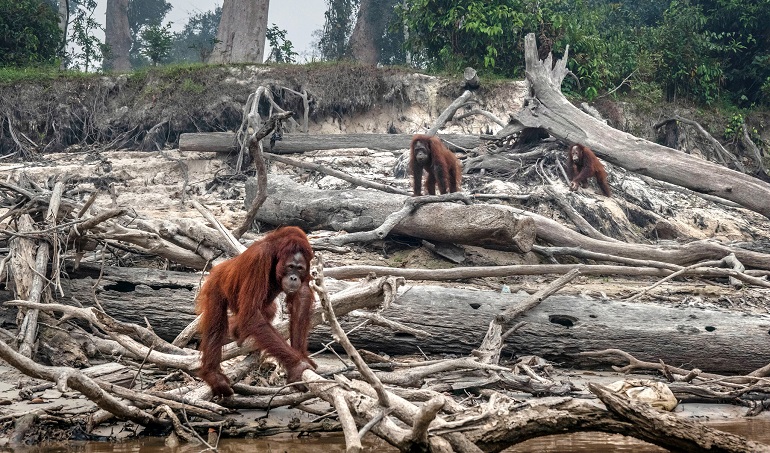
C. Breeding and Rearing Sites – Specific microhabitats are often required for nesting, calving, or hatching. Sea turtles need undisturbed beaches. Orangutans need tall, fruit-bearing trees. Without these precise conditions, reproduction fails.
D. Social and Behavioral Structures – Many animals depend on territorial boundaries, migration routes, and social learning passed through generations. Fragmented habitats break these connections, leading to population breakdowns.
E. Climate Regulation Within the Microenvironment – Forests cool the ground, mangroves reduce wave energy, and burrows insulate against temperature extremes. Remove the habitat, and animals face direct climate stress.
Thus, losing natural habitats is equivalent to dismantling the entire life-support system for wildlife. No zoo, sanctuary, or artificial environment can replicate the full complexity of a wild ecosystem.
Primary Drivers of Habitat Destruction
To understand the animal future without natural habitats, we must examine why habitats are vanishing so rapidly. The forces behind this destruction are almost entirely human-driven.
A. Agricultural Expansion
Agriculture occupies approximately 40% of Earth’s ice-free land. Massive tracts of tropical rainforests in the Amazon, Congo Basin, and Southeast Asia have been converted to soybean fields, cattle pastures, and palm oil plantations. Each hectare cleared displaces thousands of species, from insects to apex predators.
B. Urbanization and Infrastructure
Cities are growing faster than any time in history. By 2050, nearly 70% of the global population will live in urban areas. Roads, railways, airports, and housing developments slice through wildlife corridors. Light pollution disrupts nocturnal animals. Noise pollution masks mating calls and hunting sounds. Vehicle collisions kill millions of animals daily.
C. Logging and Resource Extraction
Industrial logging, legal and illegal, removes old-growth forests that took centuries to develop. Mining operations for gold, copper, lithium, and rare earth metals poison water tables and obliterate topsoil. Oil and gas exploration fragments deserts, tundras, and marine environments.
D. Climate Change as a Habitat Modifier
Even if humans stopped cutting down forests today, climate change would continue to alter habitats. Rising temperatures push species toward the poles and higher elevations. Coral bleaching turns reefs into graveyards. Melting sea ice destroys polar bear hunting grounds. Changing rainfall patterns turn grasslands into deserts. Climate change acts as a “habitat shrinker” without physically removing trees or soil.
E. Pollution
Plastic waste chokes marine habitats. Pesticides decimate insect populations, which in turn affects birds and bats. Light and noise pollution render habitats functionally useless for sensitive species. Chemical runoff creates oxygen-depleted dead zones in coastal waters.
 Consequences for Animals: A Step-by-Step Breakdown
When natural habitats disappear, animals do not simply move elsewhere. The reality is far more brutal. Below is a structured breakdown of what happens to animal populations when their homes are destroyed.
A. Immediate Displacement and Starvation
The first consequence is physical displacement. Animals flee burning forests, bulldozed grasslands, or flooded valleys. However, surrounding areas are often already occupied by other animals or altered by human activity. Competition intensifies. Food runs out quickly. Most displaced animals die within weeks from starvation or predation in unfamiliar territory.
B. Fragmentation and Genetic Isolation
Even when small patches of habitat remain, they become isolated islands in a sea of farmland or cities. Populations split into tiny, disconnected groups. Inbreeding becomes inevitable. Genetic diversity plummets. Without new genes entering a population, birth defects increase, disease resistance weakens, and adaptive capacity disappears. Over generations, these fragmented populations slowly fade into extinction.
C. Behavioral Collapse
Many animals rely on learned behaviors passed from parents to offspring. Elephants know ancient migration routes to water sources. Whales memorize feeding grounds across oceans. Birds learn song dialects from their elders. When habitats break apart, these cultural transmissions stop. Younger generations fail to learn essential survival skills. Even if physical habitat eventually recovers, the behavioral knowledge may be lost forever.
D. Increased Human-Wildlife Conflict
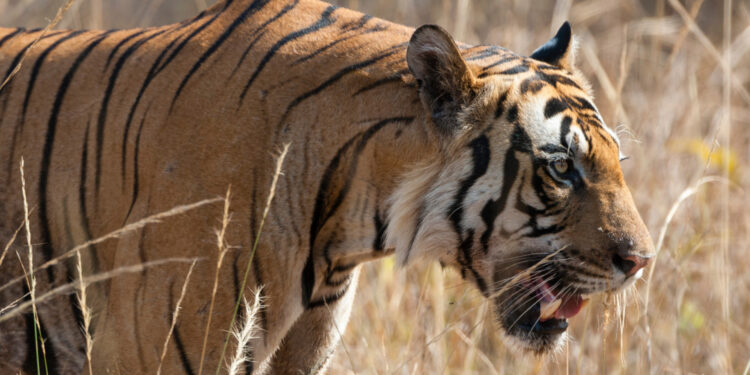
As animals lose their homes, they inevitably wander into human settlements. Tigers in India attack livestock. Bears raid garbage bins in North American towns. Monkeys steal crops in Indonesian villages. In nearly all cases, the animal is labeled a pest or threat and is killed. Conflict-related deaths now outpace hunting as a cause of mortality for many large carnivores and megaherbivores.
E. Trophic Cascades and Ecosystem Collapse
Removing one species from its habitat triggers chain reactions. Consider wolves in Yellowstone National Park. Without wolves, deer overpopulated and ate all the young willow and aspen trees. Birds lost nesting sites. Beavers lost food and building materials. Streams eroded without beaver dams. Removing wolves—a habitat loss in terms of functional niche—collapsed the entire ecosystem. Now imagine this happening simultaneously for thousands of species across the planet.
Can Animals Adapt to Human-Dominated Landscapes?
A common question arises: cannot animals simply adapt to living alongside humans? Some species do. Pigeons, rats, raccoons, and coyotes thrive in cities. But these are generalists—animals with flexible diets, high reproductive rates, and bold temperaments. The vast majority of species are specialists.
A. Specialists vs. Generalists – Giant pandas need bamboo. Koalas need eucalyptus. Monarch butterflies need milkweed. Without these specific plants, no amount of urban adaptation will save them. Habitat loss is uniquely devastating for specialists.
B. Evolutionary Timescales – Adaptation through natural selection takes generations, sometimes centuries or millennia. Current habitat destruction is occurring over decades, far too fast for most animals to evolve new traits or behaviors.
C. Ecological Traps – Sometimes altered habitats attract animals but fail to support them. Lighted skyscrapers attract migrating birds that then crash into windows. Sea turtles hatch on artificial beaches but cannot find the ocean due to seawalls. These ecological traps create false hope for survival.
Thus, while a handful of “weedy” species will inherit the Earth, the magnificent diversity of larger, rarer, and more specialized animals will dwindle to near nothing.
The Future Scenario: What Does a Habitat-Free World Look Like?
If current trends continue, we can project several concrete features of an animal future without natural habitats.
A. The Rise of Artificial Habitats
Zoos, aquariums, and safari parks will become the only refuges for large charismatic species. Lions, elephants, giraffes, and rhinos will exist solely in captive breeding programs. However, captivity cannot support population numbers needed for long-term genetic health. Most captive populations will require constant human intervention—hand-rearing, artificial insemination, and genetic management. Behavioral abnormalities such as pacing, self-mutilation, and lethargy will become the norm.
B. Virtual and Augmented Reality Wildlife Experiences
Future generations may experience wildlife only through screens. Virtual reality safaris and drone footage will replace real-world animal encounters. Children will grow up believing that animals belong in pixelated habitats rather than living forests. This psychological shift—from coexistence to simulation—carries profound ethical and ecological consequences. Without direct experience of wild nature, humans will have even less motivation to protect what remains.
C. Genetic Archives and Resurrection Debates
Scientists are already storing genetic material from endangered species in “frozen zoos” or biobanks. In the future, these archives might be used to resurrect extinct species through cloning or de-extinction technologies. However, resurrecting a mammoth or a thylacine means nothing without a habitat to release it into. De-extinction without habitat restoration is merely a sideshow—a scientific curiosity rather than a conservation strategy.
D. Complete Loss of Ecological Services
Perhaps most dangerously, the loss of animals and their habitats will directly harm human survival. Consider these ecosystem services:
-
Pollination: 75% of global food crops rely on animal pollinators. Without bees, butterflies, birds, and bats, agricultural systems collapse.
-
Seed dispersal: Large fruit-eating animals like primates and hornbills regenerate forests. Without them, forests cannot recover after fires or logging.
-
Water purification: Freshwater mussels, riparian vegetation, and wetlands filter toxins. Remove animals from aquatic habitats, and water quality plummets.
-
Pest control: Bats eat millions of tons of insects annually. Without them, crop pests multiply, requiring more pesticides.
-
Soil health: Ants, earthworms, and burrowing mammals aerate soil and cycle nutrients. Loss of soil fauna leads to erosion and desertification.
In short, a world without natural habitats is not just sadder for animal lovers—it is physically riskier for every human being.
Ethical Dimensions: Do Humans Have a Duty?
Beyond pragmatism lies ethics. Do humans have a moral responsibility to preserve natural habitats for animals? Different philosophical traditions offer answers.
A. Intrinsic Value Perspective – Many environmental ethicists argue that animals and their habitats have value independent of human needs. A rainforest is valuable whether or not humans benefit from its oxygen or medicines. From this view, destroying habitats is inherently wrong, akin to destroying a great library or a sacred temple.
B. Stewardship and Religious Views – Major world religions including Christianity, Islam, Hinduism, Buddhism, and Indigenous traditions contain teachings about human stewardship over creation. Humans are caretakers, not owners. Letting habitats vanish violates spiritual duties.
C. Intergenerational Justice – Future generations of humans have a right to experience wild animals and intact ecosystems. Current habitat destruction robs our grandchildren of natural heritage. Even if animals themselves do not matter morally, future people do.
D. Animal Rights – Some philosophers argue that individual sentient animals have rights to life, liberty, and their natural behaviors. Destroying a forest that contains thousands of sentient beings violates their rights en masse. Zoos and artificial habitats cannot fulfill these rights.
While readers may disagree on ethical foundations, most agree that current rates of habitat destruction are morally troubling. The question is whether that moral concern translates into meaningful action.
What Can Be Done? Actionable Solutions
Despite the bleak outlook, complete despair is not justified. Conservation successes exist. Wolves returned to Europe and North America. Mountain gorillas increased through intensive protection. The ozone layer is healing because humans changed their behavior. Below are actionable solutions, ranked from individual to global scales.
A. Individual Actions
-
Reduce consumption of palm oil, soy-fed meat, and tropical timber. Check product labels and supply chain transparency.
-
Support land trusts and conservation organizations that purchase and protect habitats (e.g., The Nature Conservancy, World Wildlife Fund, local land trusts).
-
Create wildlife-friendly spaces in gardens and balconies using native plants, water sources, and nest boxes. Even small patches help.
-
Advocate for reduced light and noise pollution in local neighborhoods during migration seasons.
-
Choose sustainable seafood certified by organizations like the Marine Stewardship Council to avoid habitat-destroying fishing practices.
B. Community and Policy Actions
-
Establish wildlife corridors—strips of native vegetation connecting fragmented habitats. Underpasses and overpasses across highways reduce roadkill and allow genetic exchange.
-
Implement land-use zoning that prioritizes conservation clusters rather than scattered developments.
-
Restore degraded habitats through reforestation, wetland reconstruction, and removal of invasive species. Restoration ecology has proven effective when adequately funded.
-
Strengthen anti-poaching enforcement in remaining wilderness areas. Poaching often accelerates when animals flee degraded habitats and become more exposed.
-
Pass legislation requiring developers to achieve “net gain” in biodiversity—meaning new construction must restore or create equal or greater habitat elsewhere.
C. Global and Technological Solutions
-
Expand protected areas to meet the “30×30” target (protecting 30% of land and ocean by 2030), as agreed by many nations in the Global Biodiversity Framework.
-
Develop precision agriculture that produces more food on less land, sparing natural habitats from conversion. Vertical farming, agroforestry, and regenerative grazing all show promise.
-
Invest in wildlife tracking technology (GPS collars, acoustic monitoring, camera traps) to understand exactly where and how animals use fragmented landscapes.
-
Fund indigenous land management, as indigenous territories often have lower deforestation rates than official protected areas.
-
Address climate change aggressively, as stabilizing climate is the ultimate habitat protection strategy. Every ton of CO2 prevented reduces pressure on shifting ecosystems.
 Hope for the Future: Rewilding and Restoration
One of the most hopeful trends in conservation is rewilding—the large-scale restoration of functional ecosystems, including the reintroduction of keystone species. Rewilding goes beyond simply planting trees; it restores ecological processes.
Examples of successful rewilding include:
-
The return of gray wolves to Yellowstone, which regenerated riparian forests and increased biodiversity.
-
Beaver reintroduction in Scotland, which restored natural water flows and created wetlands for otters, fish, and waterfowl.
-
The Iberian lynx recovery in Spain and Portugal, which required restoring Mediterranean scrubland and rabbit populations simultaneously.
-
The Oostvaardersplassen in the Netherlands, where large herbivores shape a dynamic floodplain ecosystem.
These projects prove that habitats can recover and animals can return. However, rewilding requires patience, political will, public acceptance, and funding. It also requires solving human-wildlife conflict fairly for local communities.
Conclusion: The Choice Is Still Ours
The future of animals without natural habitats is not predetermined. Barring a complete collapse of human civilization, some wild spaces will always remain. The question is how many and for whom. If we continue on the current trajectory, the animal future will be one of zoos, genetic banks, and digital simulations a curated, sterile, and diminished world. Generalist pests will thrive. Specialist marvels like the saola, the kakapo, and the vaquita will vanish.
But if we choose differently if we prioritize habitat protection, restoration, and connectivity then animals can retain wild futures. Lions can still roar across African savannas. Whales can still sing through unfragmented oceans. Tigers can still stalk through Asian jungles. Children can still grow up knowing the thrill of a wild animal glimpsed in its natural home, not behind glass or on a screen.
The tools to solve habitat loss already exist. What has been lacking is collective will. Every reader of this article faces a choice: accept the slow slide toward a habitat-free world or act through purchases, votes, donations, or direct action to defend the last wild places. Animals cannot write policy, build corridors, or stop bulldozers. Only humans can. And only by doing so can we ensure that “animal future” remains a story of life, not an obituary.