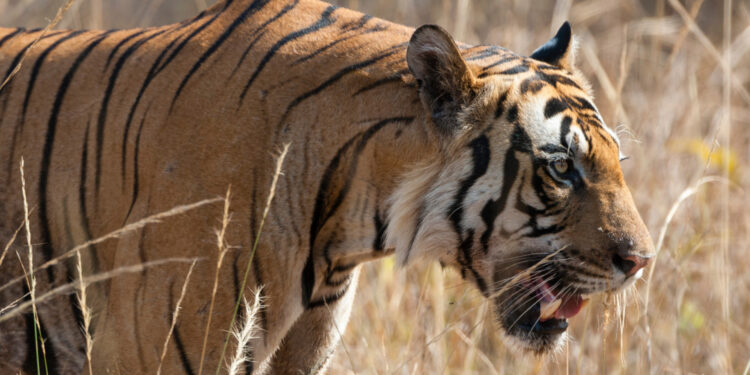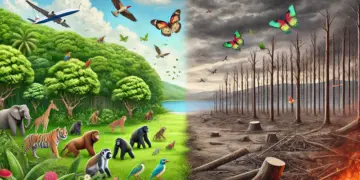
The escalating crisis involving animals both domestic and wild has become a pressing global challenge, with each nation facing unique yet interconnected difficulties. Over the past decade, data from international wildlife federations, environmental agencies, and conservation groups have consistently shown that the “animal problem” is not merely a local nuisance but a worsening planetary emergency. From the plains of Africa to the bustling cities of Europe and the dense rainforests of South America, the strain on animal populations, their habitats, and the humans who coexist with them is reaching a breaking point. This article explores the multifaceted nature of this crisis, its root causes, its devastating consequences, and what must be done to reverse the tide.
Introduction: A Global Emergency Unfolding
When we speak of the “animal problem,” we refer to two parallel crises. First, the alarming decline of wildlife populations due to poaching, deforestation, pollution, and climate change. Second, the surge in human-animal conflicts as natural habitats shrink, forcing wild animals into urban and agricultural areas. Simultaneously, domestic animal welfare issues such as stray overpopulation, neglect, and zoonotic disease transmission are worsening in both rich and poor countries. No single nation is immune. Whether it is the loss of pollinators affecting crop yields in the United States, the encroachment of leopards into Indian villages, or the mass die-offs of marine life in warming oceans, the evidence is clear: the animal problem worsens each country.
A. The Root Causes of the Worsening Animal Crisis
Understanding why this crisis is accelerating requires a deep dive into several interconnected drivers. These causes are not isolated; they feed into one another, creating a vicious cycle.
A.1. Habitat Destruction and Urban Sprawl
The most significant driver is the relentless conversion of natural habitats into farmland, cities, and infrastructure. As human populations expand, forests are logged, wetlands are drained, and grasslands are plowed. According to the United Nations Food and Agriculture Organization (FAO), approximately 10 million hectares of forest are lost annually. Each hectare lost displaces thousands of animal species, from insects to large mammals. Without homes, animals either die or move into human-dominated landscapes, leading to conflicts.
A.2. Climate Change and Ecosystem Disruption
Rising global temperatures alter migration patterns, breeding seasons, and food availability. For polar bears in the Arctic, melting sea ice reduces their hunting grounds, leading to starvation. For coral reefs, ocean acidification and warming waters cause bleaching events that kill entire marine ecosystems. Birds are arriving at breeding grounds at the wrong time, missing peak insect hatches. These shifts do not happen gradually they are abrupt and catastrophic for species unable to adapt quickly.
A.3. Poaching and Illegal Wildlife Trade
Despite international bans, poaching remains a multibillion-dollar black market. Elephants are killed for ivory, rhinos for horns, pangolins for scales, and tigers for traditional medicine. The illegal wildlife trade not only decimates populations but also increases the risk of zoonotic disease spillover, as seen with SARS, Ebola, and COVID-19. Countries with weak law enforcement, such as parts of Sub-Saharan Africa and Southeast Asia, suffer the most.
A.4. Agricultural Expansion and Monocultures
The global demand for meat, soy, palm oil, and coffee has led to massive monoculture plantations. These farms replace biodiverse ecosystems with single-crop fields, which support few animal species. The use of pesticides and herbicides poisons non-target species, including bees our primary pollinators. A collapse in bee populations would threaten 75% of global crops, yet bee colonies continue to die at alarming rates due to neonicotinoids.
B. How the Animal Problem Manifests Across Different Countries
The nature of the crisis varies by region, but the underlying trend is universal: worsening conditions for animals lead to worsening conditions for humans.
B.1. Developing Nations: Poaching and Human-Wildlife Conflict
In countries like Kenya, India, and Brazil, rapid population growth pushes settlements deeper into wildlife corridors. Elephants raid crops, destroying livelihoods. Leopards and tigers attack livestock, and occasionally humans. In retaliation, villagers often kill these protected species, worsening conservation efforts. At the same time, poverty drives subsistence poaching bushmeat trade that empties forests of large mammals. For example, in the Congo Basin, wildlife populations have declined by over 60% in thirty years due to commercial bushmeat hunting.
B.2. Developed Nations: Stray Animals, Invasive Species, and Antibiotic Resistance
In wealthier countries like the United States, Australia, and much of Europe, the problems differ but are equally severe. Stray cat and dog populations overwhelm shelters, leading to millions of euthanasias each year. Invasive species such as brown tree snakes in Guam, cane toads in Australia, and feral pigs in the United States wreak havoc on native fauna. Furthermore, intensive factory farming leads to antibiotic overuse, creating superbugs that threaten both animal and human health.
B.3. Island Nations: Unique Vulnerabilities
Island nations like Madagascar, New Zealand, and Indonesia face extreme risks because their animals evolved in isolation without natural predators. Introduced rats, cats, and foxes decimate ground-nesting birds and reptiles. For instance, in New Zealand, the kiwi population declines by 2% annually due to stoats and dogs. If current trends continue, many of these unique species will be extinct within decades.
B.4. Coastal and Arctic Nations: Melting Ice and Ocean Acidification
For nations like Norway, Canada, and the Maldives, marine animal populations are collapsing. Overfishing has reduced tuna, cod, and herring stocks by 90% in some waters. Ocean acidification dissolves the shells of mollusks and corals. In the Arctic, walruses and seals lose haul-out sites as ice melts, forcing them onto crowded shores where stampedes kill hundreds of pups. Indigenous communities that rely on these animals for food and culture face famine and cultural erosion.
 C. The Direct Consequences for Human Societies
Many people view the animal problem as separate from human well-being. This is a dangerous misconception. The worsening animal crisis directly undermines economies, public health, and global stability.
C.1. Economic Losses
Wildlife tourism is a major revenue source for countries like Tanzania, Costa Rica, and South Africa. As animal populations dwindle, tourism collapses. Farmers lose crops and livestock to wild animals, plunging them into debt. Fisheries collapse, costing billions of dollars and millions of jobs. Additionally, invasive species cause infrastructure damage for example, zebra mussels clog water pipes in the Great Lakes region, costing over $500 million annually in control measures.
C.2. Public Health Emergencies
Zoonotic diseases those that jump from animals to humans—are increasing. Habitat destruction forces wild animals into closer contact with livestock and people. The Nipah virus, Lyme disease, Zika, and COVID-19 all have origins in disrupted animal ecosystems. Furthermore, factory farming creates breeding grounds for avian influenza and swine flu. Stray animal populations can transmit rabies, which still kills tens of thousands of people annually, mostly in Asia and Africa.
C.3. Food Insecurity
Pollinators like bees, butterflies, and bats are responsible for one out of every three bites of food we eat. Their decline directly reduces crop yields. Meanwhile, the loss of predators such as wolves and owls leads to overpopulation of rodents and insects, which consume stored grains and standing crops. The UN estimates that rodents already destroy enough food to feed 200 million people each year a figure that will rise without natural control.
C.4. Psychological and Cultural Harm
Humans have co-evolved with animals for millennia. The loss of familiar species the songbird outside your window, the fireflies in summer causes “environmental grief” and “solastalgia” (distress from environmental change). Indigenous cultures, whose identities and spiritual practices are tied to specific animals, face cultural genocide as those animals vanish.
D. Case Studies: Three Countries Where the Problem Is Acute
To understand the urgency, let us examine three nations representing different continents and economic levels.
D.1. India: Human-Elephant and Leopard Conflicts
India holds 60% of the world’s wild tigers and 20% of the global human population. As railway lines, highways, and villages bisect elephant corridors, over 500 people and 100 elephants die annually from conflicts. Leopards enter cities like Mumbai, attacking people in slums. Despite Project Tiger’s success in increasing tiger numbers, lack of buffer zones means these animals now share crowded spaces with humans, leading to retaliatory killings and poisoning.
D.2. Australia: Invasive Species Apocalypse
Since European colonization, Australia has lost more mammal species than any other continent. Feral cats kill over 3 billion native animals per year, including 338 species of birds, reptiles, and marsupials. The government has declared war on feral cats, using targeted culling, but public opposition and logistical challenges slow progress. At the same time, cane toads poison predators like goannas and quolls, leading to local extinctions. Australia’s “animal problem” is largely a human-introduced problem, and solving it requires difficult ethical choices.
D.3. Brazil: Deforestation and Fire-Driven Extinction
The Amazon rainforest is home to 10% of the world’s known animal species. Cattle ranching and soy farming drive record deforestation rates over 13,000 square kilometers lost in 2022 alone. Fires set to clear land burn out of control, killing millions of animals. The jaguar population has dropped by 25% in two decades. Research shows that if deforestation reaches 20-25% of the Amazon (currently about 17%), the ecosystem will reach a tipping point and convert to dry savanna, killing most of its animal life. Brazil’s crisis is the world’s crisis, as the Amazon regulates global rainfall.
E. Ineffective and Counterproductive Responses
Many countries attempt solutions that are either too weak or actively harmful. Recognizing failures is as important as finding successes.
E.1. Culling Without Strategy
Some governments react to human-wildlife conflict by authorizing mass culls. For example, in parts of the United States, wolves have been hunted to near- extinction multiple times. However, culling apex predators often triggers ecological cascades overpopulation of deer leads to overgrazing, which destroys forest regeneration. Culls must be scientifically based, targeted, and part of a larger management plan, not panic-driven.
E.2. Captive Breeding Without Habitat Protection
Zoos and breeding programs can save species from extinction, but without protected wild habitats, these animals become museum pieces with no wild future. The Arabian oryx was saved by captive breeding but still faces poaching and habitat loss. A species is not recovered until it can survive in the wild without constant human intervention.
E.3. Feeding Wildlife as Tourism
In many countries, tour operators encourage feeding monkeys, bears, or deer to attract them for photos. This habituates animals to humans, leading to aggression and dependency. Fed animals lose their fear and natural foraging skills. When tourists leave, these animals often become problem individuals that must be destroyed.
F. Comprehensive Solutions That Work
Despite the grim picture, successful programs exist. They require political will, community involvement, and sustained funding.
F.1. Wildlife Corridors and Underpasses
Countries like Costa Rica and the Netherlands have built wildlife overpasses and underpasses over highways, reducing roadkill by 80%. Costa Rica’s “biological corridors” connect national parks, allowing jaguars, monkeys, and tapirs to move safely. These corridors also benefit humans by maintaining ecosystem services like pollination and water filtration.
F.2. Community-Based Conservation
Where local people benefit from wildlife, they protect it. In Namibia, communal conservancies give villagers legal rights to manage wildlife and earn income from eco-tourism and sustainable hunting. Elephant populations tripled in these areas. In India, compensation programs quickly pay farmers for crop losses to elephants, reducing retaliatory killings. The key is making wildlife worth more alive than dead.
F.3. Stricter Enforcement of Anti-Poaching Laws
Technology helps: drones, GPS tracking, and DNA forensics now catch poachers with higher accuracy. China’s ban on domestic ivory trade in 2017 led to a sharp decline in elephant poaching across Africa. However, enforcement must extend to demand reduction—public awareness campaigns in consumer countries like Vietnam and Thailand are essential.
F.4. Transitioning Agriculture
Regenerative farming methods that plant hedgerows, reduce pesticides, and leave strips of wild habitat can support pollinators and natural pest controllers. Shade-grown coffee and cocoa preserve canopy forests for birds and monkeys. Governments must subsidize these transitions, as the short-term cost is often higher than conventional farming.
F.5. Global Climate Action
Ultimately, the animal problem cannot be solved without addressing climate change. The Paris Agreement targets are insufficient if current emissions trends continue. Nations must accelerate the shift to renewable energy, protect carbon-rich habitats like peatlands and mangroves (which are also critical animal habitats), and invest in reforestation with native species, not monoculture tree plantations.
G. What Individuals Can Do Right Now
Systemic change requires government and corporate action, but individual choices matter. Here is a practical guide for readers who want to help.
G.1. Reduce Your Ecological Footprint
-
A. Eat less meat, especially beef from deforested areas. Choose pasture-raised or plant-based proteins.
-
B. Avoid products containing unsustainable palm oil. Look for RSPO-certified labels.
-
C. Reduce plastic use, as marine animals ingest or become entangled in plastic waste. Participate in local river and beach cleanups.
G.2. Support Ethical Wildlife Practices
-
A. Do not pay for photos with captive wild animals, elephant rides, or dolphin shows these industries often involve cruel training methods.
-
B. Choose eco-certified tours that follow no-feeding, no-touching rules.
-
C. Report wildlife trafficking online to organizations like the Wildlife Conservation Society.
G.3. Help Domestic Animals
-
A. Adopt from shelters instead of buying from breeders. Spay or neuter your pets.
-
B. Keep cats indoors (or in catios) to prevent them from killing billions of birds and small mammals.
-
C. Foster or donate to local animal rescue groups that run trap-neuter-return programs for stray cats.
G.4. Advocate and Educate
-
A. Vote for leaders who prioritize environmental protection and wildlife corridors.
-
B. Contact your representatives to support funding for the Endangered Species Act, the Green Belt Movement, or equivalent laws in your country.
-
C. share reliable information on social media to counter myths (e.g., that wind turbines primarily kill birds they cause far fewer deaths than buildings and cats).
 H. The Future: Predictions for 2030 and Beyond
If current trends continue unchecked, by 2030 we will witness:
-
A. Extinction of over 25% of all assessed species, including iconic animals like the Sumatran elephant and the vaquita porpoise.
-
B. Collapse of most wild fisheries, with only a few managed stocks remaining.
-
C. Regular urban conflicts with large animals in Asia and Africa leopards in schools, elephants on highways.
-
D. Millions of additional human deaths from zoonotic diseases and malnutrition linked to pollinator loss.
However, if the solutions outlined above are implemented globally and urgently, we could instead see:
-
A. Recovery of several keystone species, including wolves in Europe and bison on the Great Plains.
-
B. Reforestation of 50 million hectares with native species.
-
C. A reduction in human-wildlife conflict by 70% through corridors and compensation schemes.
-
D. A new global treaty to phase out single-use plastics and agricultural pesticides that harm non-target animals.
Conclusion: A Shared Responsibility
The animal problem worsens each country because it is a symptom of deeper dysfunctions: overconsumption, habitat greed, climate blindness, and disconnection from nature. No wall, no border fence, and no national policy alone can stop the sixth mass extinction. Animals do not recognize political boundaries; migratory birds, fish stocks, and carbon cycles transcend them. Therefore, solutions must be transnational. The good news is that the same actions that protect animals reducing emissions, preserving forests, reforming agriculture also protect human health and prosperity.
Every reader of this article has a role. Whether you choose to plant a pollinator garden, sponsor an anti-poaching dog unit, or simply talk to your family about why buying conflict palm oil matters, you become part of the solution. The crisis is urgent, but it is not hopeless. Countries like Costa Rica, Namibia, and Bhutan have proven that economic development and wildlife abundance can coexist. Their success must be scaled and replicated. The question is not whether we can afford to act, but whether we can afford not to. The animals and future generations will judge us on the answer.