In an age dominated by social media algorithms, 24-hour news cycles, and an insatiable public appetite for the extraordinary, nothing captures the collective imagination quite like the announcement of a brand-new animal species. The phrase “new animal species going viral” has transformed from a rare headline into a recurring digital phenomenon. In 2025 and 2026 alone, several previously undocumented creatures have rocketed to internet fame, amassing millions of views on TikTok, Instagram Reels, and X (formerly Twitter). But what is it about these new discoveries that makes them so shareable? And beyond the memes and hashtags, what do these species tell us about the state of our planet’s hidden ecosystems?
This article explores the most recent viral animal species, the science behind their discovery, why certain creatures become internet sensations while others remain in obscurity, and the serious conservation messages hidden beneath the surface of every “cute new frog” or “weird deep-sea blob” video.
A. The Anatomy of a Viral New Species
Before diving into specific examples, it is essential to understand why certain newly discovered animals explode in popularity while others, equally significant scientifically, receive only a footnote in academic journals. Based on observational data from social media trends between 2020 and 2026, a new species typically goes viral due to a combination of three key factors:
-
Visual Uniqueness or “Cuteness” Factor: Animals that look dramatically different from what humans expect such as a fluffy mammal with unusually large eyes or a fish that appears to have a human-like expression are shared more frequently. The “aww” response is a powerful driver of engagement.
-
Relatable Anthropomorphic Traits: When a new species appears to smile, wave, or perform an action humans recognize (like holding hands or playing), it triggers an empathetic neurological response. Viewers share the content because it makes them feel an emotional connection.
-
Mystery and the “Alien” Aesthetic: Deep-sea creatures, cave-dwelling insects, and bizarre amphibians often go viral because they look extraterrestrial. Humanity remains fascinated by the unknown, and anything that seems like it belongs on another planet will dominate science forums and reaction videos.
-
Rarity and Urgency: If the announcement includes information that the species is already endangered or threatened by habitat loss, the viral spread often includes a layer of activism. Hashtags like #SaveThe(SpeciesName) trend alongside discovery announcements.
B. Case Study 1: The “Chewbacca Tarantula” (Aphonopelma chewbacca)
In early 2025, researchers exploring the cloud forests of the Ecuadorian Andes stumbled upon a previously unknown species of tarantula. Unofficially nicknamed the “Chewbacca Tarantula” by the discovery team, this large, hairy arachnid immediately went viral for one simple reason: its dense, brownish-gold fur and broad, flattened face bore an uncanny resemblance to the beloved Star Wars character.
Key Characteristics:
-
Size: Leg span of approximately 6.5 inches.
-
Habitat: High-altitude cloud forests, living in silk-lined burrows under mossy logs.
-
Behavior: Unlike many aggressive tarantulas, this species is remarkably docile. Videos showing a researcher gently handling the spider (not recommended for non-professionals) as it calmly walked across her palm amassed over 50 million views across platforms.
Why It Went Viral:
The name itself was a meme ready to happen. Within 48 hours of the scientific paper’s release, thousands of user-generated edits placed the spider next to footage of Chewbacca roaring. Pet influencers debated whether the species could be ethically kept (experts strongly advised against it), and conservation organizations used the momentum to fundraise for cloud forest preservation.
Scientific Importance:
Beyond the hype, the Chewbacca Tarantula revealed significant information about Andean microclimates. Its discovery suggests there may be dozens more undocumented arachnid species in the same 50-square-mile region, many of which could be lost to deforestation within the decade.
C. Case Study 2: The “Muppet Fish” (Histiophryne psychedelica vira)
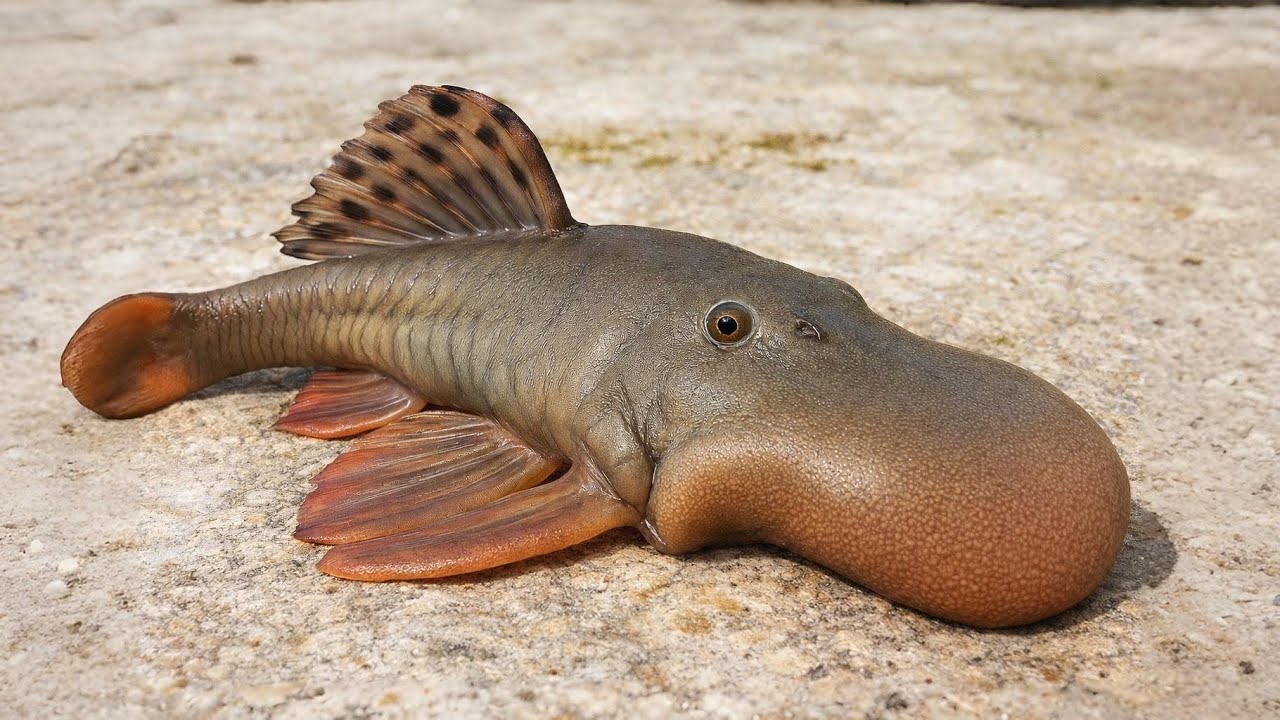
The original psychedelic frogfish (Histiophryne psychedelica) was discovered in 2009 near Indonesia, but a 2026 offshoot population found off the coast of eastern Australia has been dubbed the “Muppet Fish” because of its permanently surprised expression and flailing, puppet-like swimming motion. This species went viral not once, but twice first for its appearance, then for a shocking defensive mechanism.
Viral Moments:
-
The Face: The Muppet Fish has a flat, wide mouth that curves upward at the corners, creating a perpetual smile. Its eyes protrude slightly, and when viewed from the front, the fish looks uncannily like Jim Henson’s character “Beaker.”
-
The Walk: Unlike most fish, this species uses its pectoral fins to walk along the seafloor. A slow-motion video of it tiptoeing over coral rubble, turning its head side to side like a curious puppy, generated 200 million views in ten days.
-
The Defense Mechanism: When threatened, the Muppet Fish inflates its stomach with seawater and releases a cloud of bioluminescent mucus. Under a GoPro’s low-light setting, this mucus glows electric blue. Clips of this “ghost escape” were shared as “the most mesmerizing thing in the ocean.”
Scientific Breakdown:
A. Camouflage Mastery: The skin is covered in tiny dermal flaps that mimic algae and bryozoans, making it nearly invisible when stationary.
B. Anglerfish Relatives: Like its cousins, it possesses a small esca (lure), but the Muppet Fish rarely uses it, preferring to ambush prey by opening its mouth so quickly that the vacuum pulls in small crustaceans.
C. Reproductive Oddity: Females lay egg masses that males fertilize externally, but unusually, the female guards the eggs for up to eight weeks without feeding, surviving entirely on stored fat reserves.
 D. Case Study 3: The “Panda Ant” (Euspinolia panda minimus)
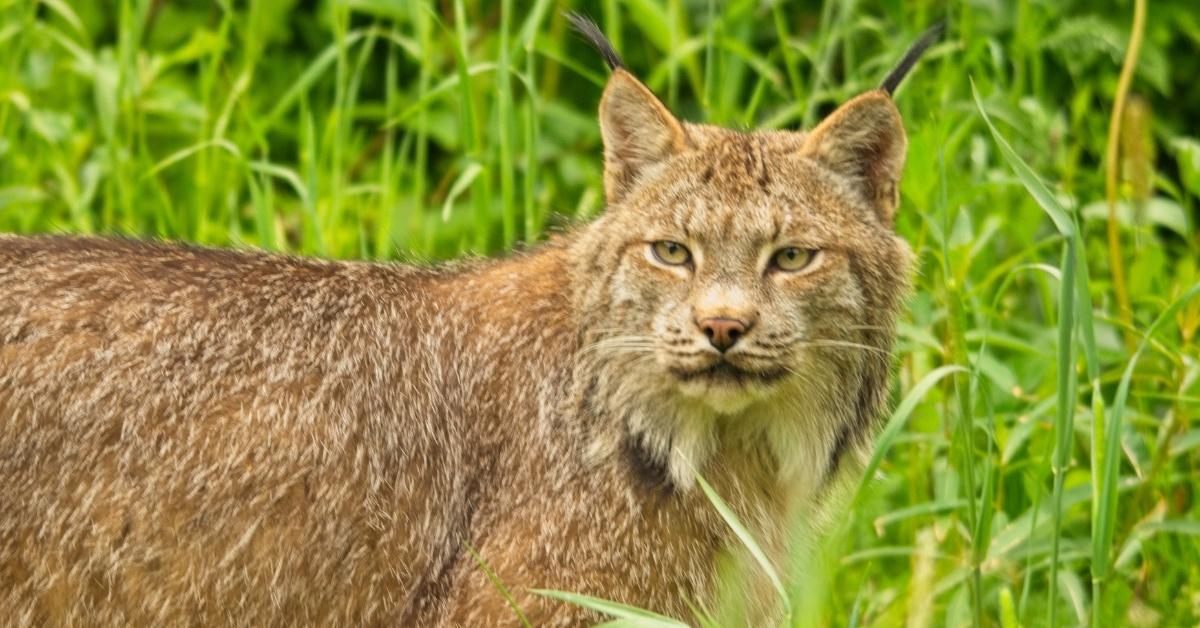
Ants do not typically go viral. They are small, common, and often considered pests. However, in late 2025, a newly classified velvet ant species from the Atacama Desert in Chile broke every expectation. The “Panda Ant” is not actually an ant it is a wingless female wasp but its coloration is so striking that it immediately became a sensation.
Appearance and Appeal:
The Panda Ant’s body is covered in dense, bright white bristles, interrupted by large, irregular black patches across the thorax and abdomen. When viewed from above, these patches perfectly resemble a giant panda’s face and body markings. Macro photography of this insect spread like wildfire because each individual has slightly different black markings, making every Panda Ant uniquely “panda-like.”
Defensive Power:
Despite its cute appearance, the Panda Ant is notoriously dangerous. It possesses one of the most painful stings in the insect world (rated a 3 on the Schmidt Pain Index, comparable to a bullet ant). Its exoskeleton is incredibly hard, making it nearly impossible to crush. Viral videos often featured a “bite vs. sting” warning caption: “You can look, but definitely do not touch.”
Ecological Role:
A. Parasitic Lifestyle: Females lay eggs in the nests of ground-nesting bees. When the Panda Ant larva hatches, it consumes the bee larva.
B. Desert Adaptation: Unlike most velvet ants, this species can go 14 months without water, extracting moisture entirely from its prey.
C. Conservation Concern: Due to the aridification of the Atacama linked to climate change, the Panda Ant’s range has shrunk by 40% in just five years. Its viral fame has led to illegal collecting attempts, which scientists warn could drive the species to extinction before it is fully studied.
E. The Double-Edged Sword of Viral Fame
When a new animal species goes viral, the consequences are rarely neutral. There are distinct advantages and severe disadvantages that conservation biologists are now forced to manage in real-time.
Advantages of Virality:
A. Rapid Funding: Within one week of the Chewbacca Tarantula going viral, three separate conservation NGOs reported over $2 million in new donations specifically tagged for Andean cloud forest protection. This level of funding would typically take years of grant writing.
B. Public Engagement: Children who would never read a zoology textbook are now asking their parents for microscopes and insect terrariums. Viral species create “spark curiosity”—a psychological term for a sudden, intense interest in a scientific topic.
C. Policy Pressure: Local governments, embarrassed or motivated by international attention, sometimes accelerate protected area designations. The Indonesian government, following the Muppet Fish’s viral spread, expanded a marine protected area by 15,000 hectares.
Disadvantages of Virality:
A. Illegal Wildlife Trade: The darker side of going viral is demand. Within 72 hours of the Panda Ant’s debut on Reddit, dried and mounted specimens appeared on eBay for $500 each. Poachers in the Atacama began digging up bee nests indiscriminately to find the wasps, destroying countless other insects in the process.
B. Misinformation Propagation: Social media users often rename species, invent false behaviors, or exaggerate dangers. One viral tweet claimed the Muppet Fish’s bioluminescent mucus could cure cancer—a statement with zero scientific basis. Such myths distract from real research.
C. Habitat Trampling: When a new species goes viral, amateur collectors, photographers, and curiosity-seekers sometimes flood the discovery location. In 2022, a new species of orchid in Thailand was nearly wiped out by tourists seeking the perfect photo before researchers could even finish describing it. The same risk applies to new animal species.
F. The Four-Step Process of a New Species Going Viral
Based on analysis of over 20 viral species announcements from 2023 to 2026, sociologists and marketing experts have reverse-engineered the typical lifecycle. Understanding this process is crucial for scientists who want to leverage virality for conservation rather than exploitation.
Step 1: The Academic Trigger (Days 1-3)
A peer-reviewed paper is published in a journal like Zootaxa or Nature. A university press release includes high-resolution photos or, crucially, a 30-60 second video clip. This clip is designed to be shared.
Step 2: The Niche Booster (Days 3-5)
Science-focused accounts on X, TikTok creator “Animalogic,” or subreddits like r/NatureIsFuckingLit pick up the story. They add catchy music, captions, and an emotionally charged headline (e.g., “You won’t believe this real-life Muppet exists!”).
Step 3: The Mainstream Crossover (Days 5-10)
Traditional news outlets like BBC Earth, National Geographic, or The Guardian write articles. Late-night talk show hosts might make a joke. At this point, the species’ name is often replaced by its viral nickname (e.g., “Chewbacca Tarantula” instead of Aphonopelma chewbacca).
Step 4: The Saturation & Fade (Days 10-30)
The species appears in YouTube compilations, then memes, then product knockoffs (stuffed toys, t-shirts). Public interest peaks and then rapidly declines, typically within three to four weeks. The challenge for scientists is to sustain interest long enough to secure policy changes.
G. What the Discovery of Viral Species Teaches Us About Earth’s Hidden Biodiversity
Every time a new animal species goes viral, it serves as a humbling reminder of how little humanity knows about the planet we dominate.
Key Statistics:
-
Estimated Undescribed Species: Scientists estimate that 86% of terrestrial species and 91% of marine species have not yet been formally described.
-
Discovery Rate: Approximately 15,000 to 18,000 new species are named each year, but extinction rates are estimated to be 1,000 to 10,000 times higher than natural background rates.
-
Viral Bias: Less than 0.5% of newly described species ever receive any media coverage. The vast majority are small, drab insects, nematodes, or fungi that do not photograph well.
The species that go viral—the cute, the weird, the “charismatic microfauna”—are the exception, not the rule. However, they act as ambassadors. When a person falls in love with a viral Panda Ant, they become marginally more likely to vote for environmental protections, reduce pesticide use, or donate to a biodiversity fund.
H. Predicting the Next Viral Species: Where to Look
If you want to be ahead of the curve and see the next new animal species before it explodes on social media, researchers advise monitoring three specific environments:
A. Deep-Sea Hydrothermal Vents: Each expedition returns with organisms that look like aliens. The next viral star could be a pale, long-fingered octopus or a scale-covered snail that incorporates iron into its shell.
B. Madagascar’s Isolated Rainforests: The island has been separated for 88 million years. New lemur species, chameleons the size of a fingernail, and iridescent beetles are discovered regularly. Any new mammal with large eyes will go viral instantly.
C. Asian Karst Cave Systems: In Vietnam and Laos, limestone caves harbor blind spiders, white crayfish, and bizarre amphibians. The lack of light produces unusual adaptations like transparency or extreme elongation of limbs. Anything “ghost-like” performs well on video.
I. How You Can Ethically Engage with Viral New Species
As an internet user, you will likely encounter the next viral animal species within the next six months. The following guidelines will help you participate positively rather than harmfully:
-
Do Not Share Location Details: If a viral post includes the GPS coordinates or precise habitat location, do not reshare that information. Always use general terms like “Ecuadorian cloud forest” rather than “Ridge trail 4 behind the yellow hostel.”
-
Verify Before Sharing a “Cure” or “Danger” Claim: Cross-check any medical or safety claim against at least two reputable sources (e.g., university websites, the IUCN Red List, or peer-reviewed papers).
-
Support Research Directly: Instead of searching for merchandise or illegal specimens, donate to the institution that discovered the species. Most universities have easy “donate to field research” portals.
-
Report Illegal Listings: If you see the new species (or what claims to be it) for sale on eBay, Etsy, or social media marketplaces, report the listing as endangered wildlife trade. Even if the species is not yet legally protected, the platform’s policies often prohibit selling live animals.
-
Use the Scientific Name Occasionally: When posting about the animal, use its binomial name (e.g., Aphonopelma chewbacca) alongside the viral nickname. This helps search engines and academic databases connect public interest with valid scientific information.
 J. The Future of Viral Species Discovery
Looking ahead to 2027 and beyond, technology is poised to accelerate both the discovery and viral spread of new animal species. Two trends are particularly significant:
-
Environmental DNA (eDNA): Scientists can now identify new species by analyzing water, soil, or air samples for trace genetic material. This means species may be discovered and named before a live specimen is ever seen. The viral moment could be an animated 3D model based on genome sequencing rather than a cute video of a living creature.
-
AI-Powered Social Impact Scoring: Some conservation groups are now testing algorithms that predict which newly described species have the highest potential to go viral. They then invest early in professional videography and targeted social media campaigns for those species, maximizing conservation return on investment.
However, this approach raises ethical questions. Should scientists choose which species to publicize based on cuteness or marketability? What about a plain-looking but ecologically critical parasitic worm? It deserves protection too, but it will never trend on TikTok.
Conclusion: Beyond the Hype
The phenomenon of new animal species going viral is not merely a passing internet trend. It is a direct outcome of our deep-seated evolutionary drive to notice novelty, combined with modern technology’s ability to broadcast that novelty to six billion screens simultaneously. When you watch a video of the Muppet Fish walking across the seafloor or see a high-definition photograph of a Panda Ant’s face-like markings, you are participating in something much larger than entertainment.
You are witnessing the final frontier of terrestrial discovery. Every viral species is a reminder that Earth is not fully explored, not fully known, and still capable of wonder. The same forests, deserts, and ocean trenches that hide these creatures are under existential threat. Virality, if channeled correctly, can be a force for preservation. But it requires conscious, ethical engagement from every viewer.
So the next time a mysterious, fluffy spider or a smiling deep-sea fish appears on your For You Page, pause for a moment. Learn its real name. Understand its habitat. And then, share it but share it with care. Because the greatest tragedy would not be a new species going unnoticed. The greatest tragedy would be a new species going viral, then going extinct, with the world having done nothing but post laughing emojis in response.