For centuries, animal research has been the backbone of medical breakthroughs, vaccine development, and biological understanding. From the discovery of insulin to the creation of modern immunotherapies, millions of animals have been used to advance human health. However, this reliance has always carried a heavy ethical burden. Pain, suffering, and mass euthanasia have long shadowed the bright achievements of science. But now, standing on the edge of a new technological era, we are witnessing the birth of a profound shift: the future of lab-grown animal research. This is not science fiction. It is a rapidly maturing field that promises to replace living, breathing creatures with biologically identical tissues cultivated in controlled environments. By rewriting the rules of experimentation, lab-grown animal research offers a path toward cruelty-free, precise, and highly scalable scientific discovery. This article explores every aspect of this emerging domain, from development methods to ethical implications, market potential, and the challenges still ahead.
1. What Is Lab-Grown Animal Research?
Lab-grown animal research refers to the use of in vitro animal-derived cells, tissues, or organs—cultured artificially outside a living host—for scientific and medical testing. Unlike traditional animal testing, which uses whole, sentient animals like mice, rabbits, or primates, this new approach relies on biotechnologies such as cell culture, 3D bioprinting, organoids, and microfluidic chips. These methods replicate specific biological functions without ever creating a conscious being.
Key distinctions include:
A. No central nervous system development – Cells are grown without forming a brain or pain receptors, eliminating suffering entirely.
B. Controllable genetic environment – Researchers can modify cell lines to express certain diseases or responses with high accuracy.
C. Scalability and standardization – Thousands of identical tissue samples can be produced from a single biopsy, reducing variability between tests.
D. Human-like modeling – Animal cells can be engineered to mimic human physiological responses more closely than a whole animal often can.
In essence, lab-grown animal research separates the biological machinery needed for experiments from the living creature that would normally host it. This technological leap unlocks both ethical and practical advantages previously thought impossible.
2. How Lab-Grown Tissues Are Created
The process of creating lab-grown animal tissues for research follows a multi-step biomanufacturing pipeline. Although protocols vary depending on the tissue type (heart, liver, skin, or neural matter), the general workflow remains consistent.
A. Cell Sourcing and Biopsy
The journey begins with a small, painless biopsy from a donor animal—often a single skin or muscle sample under local anesthesia. This one-time extraction can provide millions of starter cells. In many cases, existing immortalized cell lines (like CHO cells from hamsters or Vero cells from monkeys) are used without any new animal contact.
B. Cell Isolation and Culture Expansion
Once harvested, specific cell types (e.g., hepatocytes for liver, cardiomyocytes for heart) are isolated using enzymatic digestion. These cells are then placed in nutrient-rich culture media containing amino acids, growth factors, glucose, and serum alternatives (increasingly animal-free). They multiply inside sterile bioreactors set to body temperature and oxygen levels.
C. Scaffolding and 3D Organization
To mimic real organ structure, cells are seeded onto biocompatible scaffolds made from collagen, gelatin, or synthetic polymers. Advanced techniques use decellularized plant or animal matrices that retain natural microarchitecture. Cells then migrate, attach, and form tissue-like layers.
D. Maturation and Perfusion
For complex tissues, a vascular-like network is necessary. Bioreactors pump culture medium through the developing tissue, supplying nutrients and removing waste – essentially “breathing life” into the construct. Over days or weeks, the cells mature, produce extracellular matrix, and even perform organ-specific functions.
E. Quality Control and Validation
Before any research use, tissues undergo rigorous testing: viability (>85%), genetic stability, absence of contamination (mycoplasma, endotoxins), and functional assays (e.g., beating rate for cardiac tissue, albumin secretion for liver). Only validated constructs proceed to experimentation.
F. Long-Term Maintenance
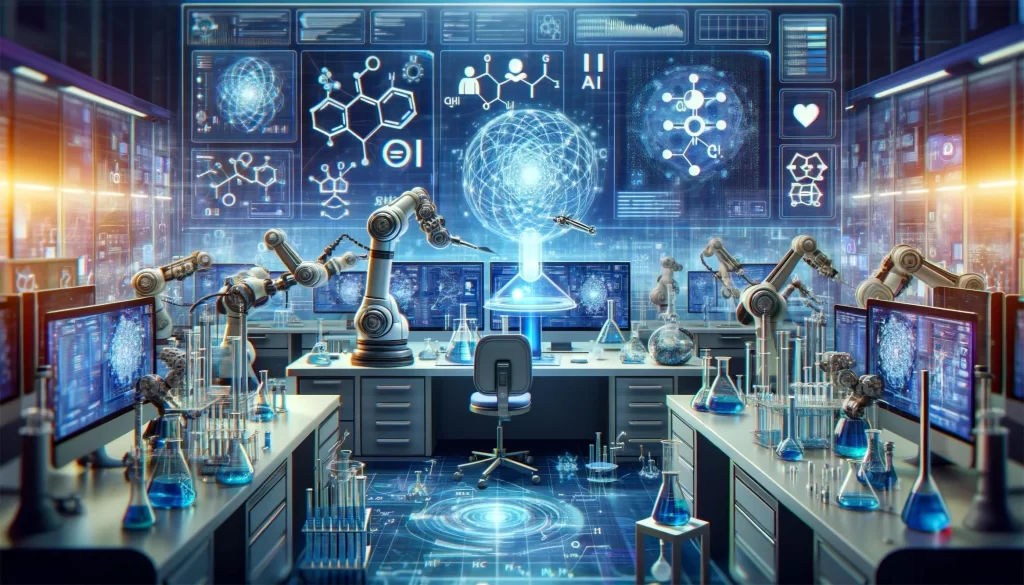
Unlike traditional animal models that require daily feeding, bedding changes, and veterinary oversight, lab-grown tissues are maintained in sealed, automated incubators. Sensors track pH, temperature, and waste products 24/7. One technician can oversee hundreds of tissue units simultaneously.
This entire pipeline creates a renewable, reproducible biological system that can be frozen, shipped, and revived – something impossible with whole animals.
3. Current Applications and Breakthroughs
Even at this relatively early stage, lab-grown animal research is already delivering tangible results across multiple domains. Researchers are replacing, reducing, and refining animal use daily through these innovations.
A. Drug Toxicity Screening
Pharmaceutical companies now use lab-grown human and animal liver organoids to test drug metabolism and hepatotoxicity. For example, the FDA has approved several microphysiological systems (liver-on-a-chip) as valid alternatives to traditional dog and monkey toxicity studies. These chips detect liver damage more sensitively than whole animals.
B. Vaccine Development
Vaccine safety and potency testing historically required thousands of animals. Today, lab-grown chicken fibroblasts are used to produce and test avian influenza vaccines. For human vaccines, cell-culture-based platforms (like Vero cells) have replaced live-animal neural tissue tests for rabies and polio quality control.
C. Cancer Research
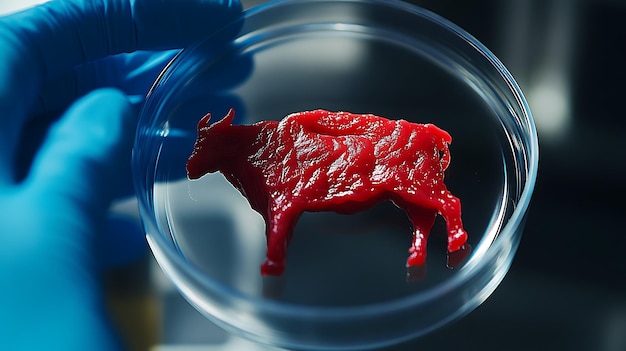
Tumor organoids derived from animal cells allow researchers to test chemotherapies on miniature, patient-specific cancers. Because these organoids mirror genetic mutations and drug resistance patterns, they reduce the need for mouse xenografts by over 60% in some labs.
D. Neurological Disease Modeling
While lab-grown brains (cerebral organoids) raise special ethical questions, they have already advanced Alzheimer’s and Parkinson’s research. Animal-derived neural organoids develop synaptic connections but lack any consciousness, allowing study of neurodegeneration without suffering.
E. Regenerative Medicine
Surgeons are testing lab-grown cartilage, blood vessels, and skin patches on animal-derived tissue constructs before moving to human trials. This reduces the use of live pigs, sheep, and rabbits in surgical training and implant rejection studies.
F. Environmental Toxicology
Instead of exposing fish and amphibians to industrial pollutants, regulators now accept gill cell cultures and fish embryo assays (FET) that use lab-grown tissues. These methods are faster, cheaper, and more humane while maintaining predictive accuracy.
Each of these applications demonstrates that lab-grown animal research is not a distant dream but a present reality, albeit still scaling up.
4. Ethical Advantages Over Traditional Animal Testing
The moral case for transitioning to lab-grown animal research is exceptionally strong. Traditional animal testing inflicts pain, distress, and death on millions of sentient beings annually – over 100 million vertebrates worldwide by conservative estimates. Lab-grown alternatives eliminate nearly every ethical objection.
A. Complete Absence of Suffering
Because lab-grown tissues lack a nervous system capable of nociception (pain detection), there is no subjective experience of distress. Ethical frameworks based on sentience (Jeremy Bentham’s “Can they suffer?”) find this approach unproblematic.
B. No Euthanasia
In traditional research, animals are almost always killed at experiment conclusion – often by cervical dislocation, decapitation, or carbon dioxide asphyxiation. Lab-grown constructs are simply terminated by removing nutrients or freezing. No death struggle, no fear.
C. Reduced Animal Numbers Overall
A single biopsy from one donor animal can generate infinite cell lines and tissues. The 3Rs principle (Replacement, Reduction, Refinement) is fully served: replacement because no new animals are used after the initial line; reduction because thousands of tests run on one starting source.
D. Freedom from Housing Constraints
Animals in labs suffer from barren cages, social isolation, noise, and handling stress. These stressors themselves alter physiology, confusing data. Lab-grown tissues live in optimal, stress-free media – producing more reliable results without moral compromise.
E. Alignment with Public Sentiment
Surveys across Europe and North America show that over 70% of people oppose animal testing for cosmetics and want stronger restrictions on medical animal testing. Lab-grown research offers science a way to maintain public trust and funding without abandoning progress.
F. Regulatory Acceptance Growing
International bodies like the OECD, FDA, and EMA have already approved several cell-based assays as official safety tests. The EU’s REACH program actively encourages non-animal methods, and the US FDA Modernization Act 2.0 (2022) removed federal mandates for animal testing before human drug trials, opening the door for lab-grown alternatives.
From utilitarianism to rights-based ethics, lab-grown animal research satisfies both consequentialist and deontological moral demands. It is the closest biotechnology has come to a true ethical win-win.
5. Scientific Superiority: Precision and Human Relevance
Beyond ethics, lab-grown methods often outperform traditional animal models scientifically. History is filled with drugs that worked in mice but failed in humans (and vice versa). Cultured animal tissues can be engineered to mimic human biology more closely than a whole mouse ever could.
A. Humanized Animal Cells
Using CRISPR-Cas9 gene editing, researchers can insert human genes into lab-grown animal cells. For example, pig liver cells expressing human cytochrome P450 enzymes predict drug metabolism far better than any natural animal model.
B. High-Throughput Parallel Testing
One 96-well plate containing lab-grown cardiac tissue from a single animal source can test 96 different drug concentrations simultaneously. Doing this with live animals would require 96 separate mice, 96 dissections, and weeks of work. The lab-grown method yields results in 48 hours with near-perfect uniformity.
C. Elimination of Systemic Confounders
In live animals, an immune reaction, stress hormone surge, or circadian rhythm shift can distort data. Lab-grown tissues are isolated from these whole-body variables. If a cardiac tissue contracts abnormally, scientists know it’s the drug – not the animal being startled by a handler.
D. Real-Time Imaging Without Sacrifice
Tissues grown on transparent optical plates allow continuous microscopic observation of cellular events – cancer metastasis, viral entry, cell death – as they happen. In live animals, such observations require invasive surgery or euthanasia at multiple time points.
E. Sex and Genetic Matching
Traditional animal studies often use only male animals to avoid hormonal variability, skewing results. Lab-grown tissues can be generated from both sexes and even from genetically identical clones (isogenic lines), providing perfect controls.
F. Rare Disease Modeling
If a disease mutation exists only in a small animal pedigree, traditional research requires breeding that lineage – a multi-year process. With lab-grown methods, cells from a single affected animal can be biopsied and expanded into thousands of disease-relevant organoids within weeks.
These scientific advantages promise faster, cheaper, and more accurate biomedical research – a triple win for science, industry, and animals.
6. Environmental and Economic Impacts
Transitioning to lab-grown animal research also carries significant environmental and financial benefits. Traditional animal facilities are resource-intensive and expensive.
A. Resource Reduction Metrics
| Factor | Traditional Facility (1,000 mice) | Lab-Grown Equivalent |
|---|---|---|
| Water per week | 2,500 liters | 50 liters |
| Energy annual | 300,000 kWh | 40,000 kWh |
| Waste (cage bedding, feces) | 1.2 tons | 0.1 tons (gloves, media bags) |
| Space | 2,000 square feet | 200 square feet |
B. Lower Financial Costs
A single transgenic mouse line can cost 50,000–200,000 to develop and maintain. A lab-grown cell line from the same animal costs approximately 2,000toimmortalizeand500/month to maintain. Over ten years, the savings are enormous.
C. Reduced Supply Chain Complexity
Animal labs require constant delivery of food, bedding, sterile cages, veterinary supplies, and waste disposal contracts. Lab-grown facilities need only culture media, disposable plastics, and incubator maintenance – all standard biotech supplies.
D. No Zoonotic Disease Risk
Animals carry pathogens (salmonella, LCMV, ringworm) that can infect researchers. Lab-grown tissues aseptic environments virtually eliminate zoonotic transmission, reducing occupational health costs.
E. Year-Round Availability
Animal breeding is seasonal, and many species have specific reproductive windows. Lab-grown tissues are on-demand. Need liver organoids in December? Bioreactors run regardless of holidays or mating seasons.
F. Global Equity
Developing nations often cannot afford high-standard animal labs. Lab-grown research has lower operating costs and barriers, potentially democratizing biomedical research across the globe.
From a pure economic perspective, the shift to in vitro methods is inevitable once regulatory momentum solidifies.
7. Current Limitations and Technical Hurdles
Despite immense promise, lab-grown animal research is not yet ready to replace every traditional experiment. Several significant challenges remain.
A. Lack of Systemic Interactions
The greatest limitation is the absence of an intact immune, endocrine, and nervous system. A drug that is safe on lab-grown liver cells might trigger anaphylaxis in a whole animal due to immune activation. Scientists cannot yet replicate multi-organ crosstalk perfectly.
B. Vascularization Challenges
Organs like kidneys and lungs rely on intricate blood flow networks. While 3D bioprinting is improving, lab-grown tissues thicker than 200 microns often develop necrotic cores due to inadequate nutrient penetration.
C. Long-Term Stability
Some experiments require months of observation (e.g., carcinogenicity studies). While some organoids survive 6+ months, many degrade after 4 weeks. Traditional animals easily live for 2 years in chronic studies.
D. Cost of High-End Systems
While basic cell culture is cheap, complex organ-on-a-chip platforms cost 100,000–500,000 per system. Not every academic lab can afford the transition yet, though prices are falling.
E. Regulatory Inertia
Regulators trained in traditional toxicology often require historical animal data for comparison. Until a lab-grown method generates decades of safety records, it remains “insufficiently validated” in many conservative agencies.
F. Skill Gaps
Most senior researchers were trained in whole-animal surgery, not microfluidics or bioprinting. Retraining the global biomedical workforce will take a generation.
None of these hurdles are insurmountable. With focused investment and cross-disciplinary collaboration, most could be resolved within 5–10 years.
8. The Road Ahead: 2030 and Beyond
What does the future of lab-grown animal research look like if current trends continue? Based on expert roadmaps from the NC3Rs, PETA Science Consortium, and European Commission, here is a plausible timeline.
By 2027 (Near Term)
-
Majority of acute toxicity tests (LD50, eye irritation, skin corrosion) will use lab-grown tissues.
-
FDA will accept organ-on-a-chip data as sole evidence for certain generic drugs.
-
First completely animal-free vaccine (manufactured and tested on cell cultures) reaches market.
By 2030 (Medium Term)
-
Multi-organ “body-on-a-chip” systems (liver, heart, kidney, lung) will predict systemic drug effects with 85% accuracy compared to live pigs.
-
AI-driven quality control automates tissue production, reducing costs by 70%.
-
Major pharmaceutical companies announce complete phase-out of animal testing for preclinical safety.
By 2035 (Long Term)
-
Bioprinted vascularized lymph nodes and bone marrow allow immune-oncology studies without living mice.
-
Global regulations mandate lab-grown methods wherever validated alternatives exist.
-
First fully synthetic “animal surrogate” – completely designed and built from human and animal genomic data without any donor organism.
Beyond 2040
The very concept of “animal research” may become historical. Bioreactors producing any tissue on demand, combined with digital twins and in silico models, could eliminate all sentient animal use in science while accelerating discovery tenfold.
Of course, such predictions are optimistic. But given the exponential curve of biotechnology and growing ethical demand, the future is bright.
 9. How to Support the Transition
Readers who wish to accelerate this humane and scientifically superior future can take several practical actions.
A. Advocate for funding – Write to government representatives asking for increased NIH, EU Horizon, and Wellcome Trust grants specifically for non-animal methods.
B. Support open-access repositories – Encourage universities to deposit validated cell lines and protocols in public banks like ECACC or ATCC.
C. Choose consumer products – Buy cosmetics and household goods certified as “Cruceity-free – lab grown tested” (new certification emerging).
D. Educate yourself – Read reports from the Johns Hopkins Center for Alternatives to Animal Testing (CAAT) and attend public webinars.
E. Encourage scientific training – If you are a student, seek out labs using organoids, chips, or bioprinting. If a professor, integrate these methods into your curriculum.
F. Donate wisely – Organizations like the Alternatives Research & Development Foundation (ARDF) fund direct development of lab-grown methods, not just animal rescue.
Every small action adds pressure toward a tipping point – the moment when lab-grown methods become cheaper, faster, and more trusted than traditional animal tests. That moment is approaching rapidly.
10. Final Verdict: A Future Worth Building
Lab-grown animal research is not merely a trendy scientific buzzword. It represents a fundamental philosophical and technical turning point. For the first time in history, we can decouple biological knowledge from biological suffering. The tools already exist. The ethical mandate is clear. The economic and scientific benefits are measurable.
Of course, challenges remain – systemic complexity, regulatory hurdles, and the inertia of tradition. But every great revolution in science faced similar doubts. Sterile surgery was once considered dangerous and unnecessary. Germ theory was ridiculed. Vaccines were called unnatural.
Now, lab-grown organoids, 3D bioprinted tissues, and microfluidic chips are moving from fringe to mainstream. The future of animal research is not about better cages or painkillers for living creatures. It is about no cages at all. It is about growing exactly what we need, exactly when we need it, without cost in pain.
The laboratories of tomorrow will hum quietly with bioreactors, not squeak with distress calls. They will smell of sterile media, not urine and feces. And the science emerging from them will be cleaner, faster, and more compassionate.
That future is within our grasp. All we must do is grow it.