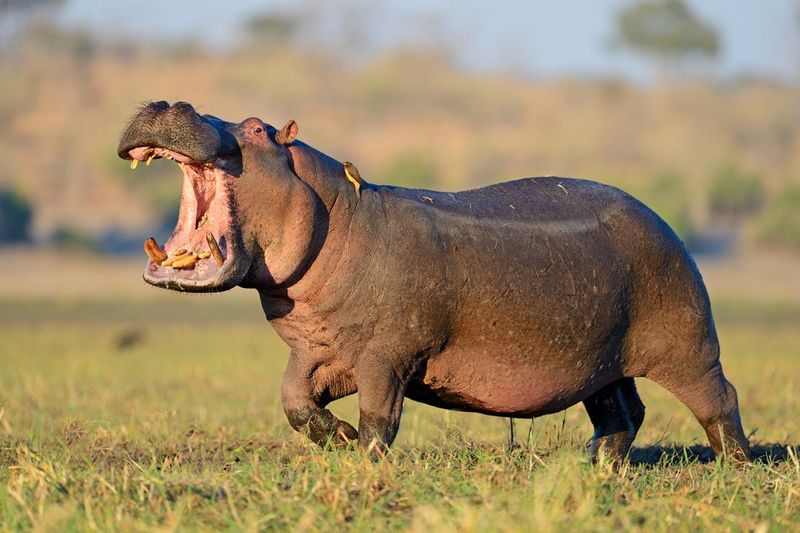
Wild animals know no borders. From the dense rainforests of the Amazon to the arid savannas of Africa, and from the frozen tundras of Siberia to the tropical archipelagos of Southeast Asia, every country on Earth must grapple with its own unique wild animal populations. While some nations celebrate their megafauna as national treasures, others struggle to balance human safety, agricultural productivity, and ecological preservation. The truth is, whether you live in a highly developed urban center like Tokyo or a remote village in the Andes, the presence of wild animals and the challenges they bring is an inescapable reality. This article explores the myriad ways different countries face wild animal issues, including the conflicts, conservation successes, and the innovative strategies being deployed to foster coexistence.
The Universal Reality of Human-Wildlife Conflict
No country is immune to the tensions that arise when human settlements expand into natural habitats. As the global population continues to grow, wild animals are increasingly forced to adapt to human-dominated landscapes. This phenomenon, known as human-wildlife conflict (HWC), manifests in various forms, including crop raiding, livestock predation, property damage, vehicle collisions, and even direct threats to human life. Understanding HWC is the first step toward mitigating its negative impacts on both people and animals.
1. Agricultural Damage and Economic Loss
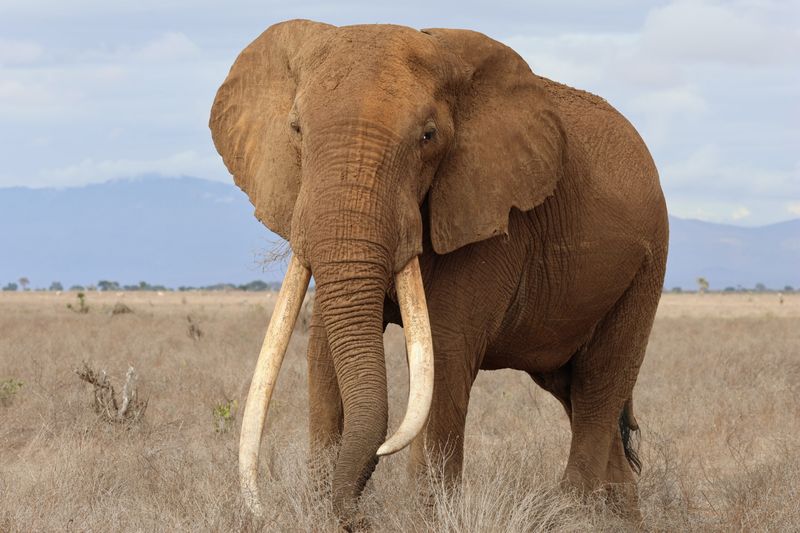
For millions of farmers worldwide, wild animals represent a direct threat to their livelihoods. In Africa, elephants regularly destroy entire harvests of maize, sorghum, and sugarcane in a single night. In India, wild boars and monkeys raid fields, leaving behind devastation. In North America, deer cause billions of dollars in agricultural damage annually, while in Australia, feral camels and kangaroos compete with livestock for scarce water and forage. The economic toll is staggering, yet many of these species are protected by law, leaving farmers with limited recourse.
2. Threats to Human Safety
Beyond economic concerns, wild animals can pose serious risks to human life. Predators such as lions, tigers, leopards, and wolves occasionally attack people, particularly in regions where natural prey has been depleted. In countries like India and Bangladesh, saltwater crocodiles claim dozens of lives each year. In the United States, encounters with black bears, mountain lions, and alligators, though rare, can be fatal. Even seemingly harmless animals like moose and bison cause numerous injuries annually due to their unpredictable behavior and sheer size.
3. Infrastructure and Urban Encounters
As cities expand, wild animals are becoming increasingly common in suburban and even urban environments. Raccoons, foxes, and coyotes thrive in North American neighborhoods, while langur monkeys roam freely in Indian cities. In parts of Southeast Asia, monitor lizards have become a common sight in drainage systems and public parks. These encounters often lead to property damage, vehicle accidents, and public nuisance complaints, forcing municipalities to develop new strategies for wildlife management.
Case Studies: How Different Countries Cope
While every nation faces wild animal challenges, the specific species and contexts vary dramatically. Below is an alphabetical examination of how selected countries are responding to their unique wildlife situations.
A. Australia: Managing Invasives and Unique Natives
Australia is famous for its unique wildlife, including kangaroos, wallabies, koalas, and wombats. However, the country also faces severe challenges from both native and introduced species.
-
Kangaroo Overpopulation: In many regions, kangaroo populations have exploded due to the availability of artificial water sources and reduced predation. This leads to overgrazing, crop damage, and dangerous vehicle collisions. Australia implements regulated culling programs and commercial harvesting to manage numbers.
-
Feral Animals: Introduced species such as camels, horses (brumbies), rabbits, foxes, and cane toads have wreaked havoc on native ecosystems and agriculture. Feral camels, for instance, damage fences and water infrastructure in remote areas. The government uses aerial culling and mustering for control.
-
Crocodile Management: Saltwater crocodiles, protected since the 1970s, have made a remarkable recovery in northern Australia. Authorities now run a “crocodile management plan” that includes egg collection, targeted removal of problem animals, and public awareness campaigns.
B. Bangladesh: Coexisting with Tigers and Elephants
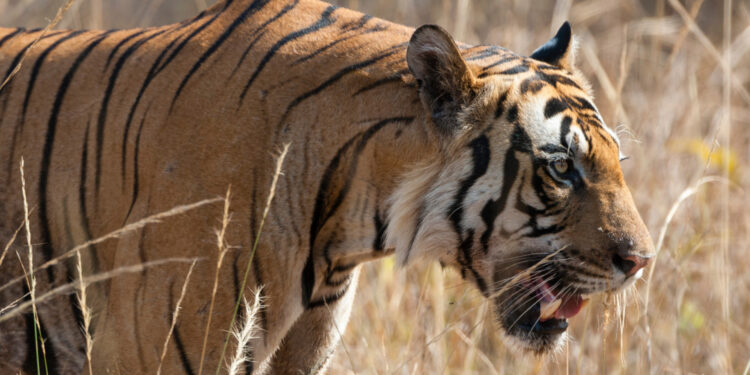
Bangladesh, despite its small size, is home to the world’s largest mangrove forest, the Sundarbans, which hosts a significant population of Bengal tigers.
-
Tiger Attacks: Conflict arises when tigers venture out of the forest into adjacent villages, often attacking fishermen, honey collectors, and woodcutters. The government compensates families of victims and has deployed tiger-response teams.
-
Elephant Corridors: Wild Asian elephants frequently cross into agricultural areas, causing damage and deaths. Bangladesh is working with international organizations to establish protected corridors and train rapid-response units to drive elephants back into forests.
-
Human Encroachment: The root cause of much conflict is habitat loss due to shrimp farming, agriculture, and settlements. Conservation efforts focus on restoring buffer zones and promoting alternative livelihoods.
 C. Canada: Bears, Cougars, and Moose on the Move
Canada’s vast wilderness is home to large populations of black bears, grizzly bears, cougars, wolves, and moose. As human development spreads, encounters are inevitable.
-
Bear Management: Many Canadian municipalities have strict waste management bylaws to prevent bears from accessing garbage. “Bear smart” programs educate residents on securing attractants. Problem bears are relocated or, as a last resort, euthanized.
-
Wildlife Crossings: In places like Banff National Park, wildlife overpasses and underpasses have dramatically reduced vehicle collisions with large mammals. These structures are now being replicated in other provinces.
-
Moose Hazards: Moose cause thousands of vehicle collisions annually, often resulting in serious injuries or fatalities due to their height and weight. Warning signs, fencing, and reduced speed limits are common mitigation measures.
D. India: A Microcosm of Global Conflict
India, with its 1.4 billion people and rich biodiversity, faces a near-constant battle to balance human needs with wildlife conservation.
-
Elephant Corridors and Rail Accidents: India has over 100 designated elephant corridors, but many are fragmented by railways and roads. Train collisions kill dozens of elephants each year. The government has installed warning systems and speed restrictions in sensitive zones.
-
Leopard and Sloth Bear Attacks: Leopards have adapted remarkably well to urban fringes, sometimes entering schools and hospitals. Sloth bears, while not typically aggressive, can cause horrific injuries when surprised. Relocation and public education are key strategies.
-
Monkey Menace: Rhesus macaques and langurs are considered sacred by many Hindus, yet they also raid crops, enter homes, and bite people. Some states have declared them “vermin” to allow culling, but this remains controversial.
E. Kenya: The Economics of Wildlife
Kenya’s tourism economy depends heavily on charismatic megafauna like lions, elephants, and rhinos. However, living alongside these animals is costly for rural communities.
-
Livestock Predation: Lions and hyenas regularly kill cattle and goats, leading to retaliatory killings. Programs like “Lion Guardians” employ local Maasai warriors to track lions, prevent attacks, and compensate herders for losses.
-
Elephant Crop Raiding: Electric fences, chili pepper “deterrent bombs,” and beehive fences (which elephants dislike) have been deployed to protect farms. When elephants breach these defenses, they can destroy a family’s entire annual food supply.
-
Community Conservancies: Kenya has pioneered the community conservancy model, where land is set aside for wildlife and tourism revenues are shared with local residents. This gives people a financial incentive to tolerate wild animals.
F. United States: Diverse Conflicts and Innovative Solutions
As one of the most biodiverse developed nations, the United States faces a wide array of wildlife conflicts, from urban deer to suburban coyotes.
-
White-Tailed Deer Overabundance: In suburban areas of the eastern U.S., deer have no natural predators and thrive on ornamental landscaping and gardens. This leads to Lyme disease spread (via deer ticks), vehicle collisions, and ecosystem damage. Solutions include regulated hunts, birth control vaccines, and fencing.
-
Black Bear Encounters: Bears are increasingly common in states like New Jersey, California, and Colorado. “Bear-proof” garbage cans, electric fencing for apiaries, and public education have reduced conflicts. Some states allow limited bear hunts.
-
Gray Wolf Reintroduction: The reintroduction of wolves to Yellowstone and the northern Rockies has sparked intense debate. While wolves have restored ecological balance, they also prey on livestock. The federal government and states use a combination of compensation payments, nonlethal deterrents, and limited lethal control.
Innovative Solutions Around the World
Faced with these persistent challenges, countries have developed creative, science-based strategies to minimize conflict while ensuring the long-term survival of wild animal populations. These approaches can be categorized into several key areas.
A. Preventive and Non-Lethal Deterrents
Prevention is always better than reaction. Many of the most effective solutions focus on deterring wild animals from entering human spaces in the first place.
-
Physical Barriers: Electric fencing, chili ropes, beehive fences, and even simple thorn bushes can keep elephants, bears, and other large animals out of farms. In Japan, nets and cages protect crops from wild boars and monkeys.
-
Light and Sound Deterrents: Flashing lights, recorded predator calls, and motion-activated alarms can scare animals away. These are particularly effective for birds, deer, and small mammals. However, animals may habituate over time, requiring rotation of methods.
-
Guard Animals: Livestock guarding dogs (such as Kangals, Anatolians, and Maremmas) have been used for centuries to protect sheep and goats from wolves and bears. Donkeys and llamas can also serve as effective guards against coyotes and dogs.
B. Land-Use Planning and Infrastructure
Better planning can prevent conflicts before they start. Integrating wildlife considerations into transportation, urban development, and agriculture is crucial.
-
Wildlife Corridors and Crossings: Overpasses, underpasses, culverts, and bridges allow animals to cross highways safely. These structures have been successful in Canada, the Netherlands, the United States, and Australia. They also help maintain genetic connectivity between populations.
-
Buffer Zones: Establishing zones of natural vegetation between wilderness areas and human settlements can reduce incursions. These buffers may also provide forage for wild animals, keeping them away from crops.
-
Electric Fencing Around Protected Areas: In countries like India and South Africa, entire national parks and sanctuaries are being fenced to prevent animal escapes and human encroachment. While expensive, this approach has reduced conflict dramatically.
C. Community-Based Conservation
When local people benefit from wildlife, they are more likely to tolerate its presence. Community-based conservation seeks to align economic incentives with conservation goals.
-
Payment for Ecosystem Services (PES): Programs that pay landowners for maintaining wildlife habitat or for tolerating animals on their property are growing in popularity. In Namibia, communal conservancies receive tourism revenues in exchange for protecting elephants and rhinos.
-
Compensation and Insurance Schemes: Many governments and NGOs operate compensation programs for livestock and crop losses caused by protected species. However, these programs can be slow and bureaucratic. Innovative insurance schemes, where communities pool premiums and receive quick payouts, are now being tested in Kenya and Nepal.
-
Alternative Livelihoods: Providing farmers with beekeeping, ecotourism guide training, or handicraft production can reduce their dependence on agriculture in high-conflict areas. This also reduces the motivation to kill wild animals.
D. Translocation and Population Management
When conflicts are severe or persistent, authorities may choose to move or reduce animal populations.
-
Relocation: Problem animals are often captured and released into remote areas. However, relocation success rates vary widely. Some animals return to their original territories, while others die from stress or competition with resident animals.
-
Contraception: For overabundant species like deer, feral horses (mustangs), and elephants, contraceptive vaccines provide a humane alternative to culling. Dart-delivered immunocontraception has been used in several U.S. national parks.
-
Regulated Culling and Hunting: In many countries, regulated hunting seasons help keep populations in check. This approach is supported by wildlife agencies as a management tool, but it remains controversial among animal rights advocates. Culling must be based on sound science and population surveys.
E. Public Education and Awareness
Perhaps the most powerful long-term solution is changing human behavior. Educating the public about wild animal biology, risks, and proper conduct can prevent countless conflicts.
-
School Programs: Integrating wildlife conservation into school curricula helps create a culture of coexistence from a young age. In Bhutan, where tigers and elephants are common, environmental education is mandatory.
-
Community Warning Systems: In high-risk areas, mobile phone networks broadcast alerts when dangerous animals are sighted. For example, in Tanzania, a “lion alert” system notifies herders via SMS.
-
Best Practices for Residents: Simple actions—securing garbage, not feeding wildlife, keeping pets indoors at night, using bear-resistant containers—can dramatically reduce conflicts. Many municipalities distribute guidelines and offer free hardware (like bear-proof bins) to residents.
The Role of Climate Change and Habitat Loss
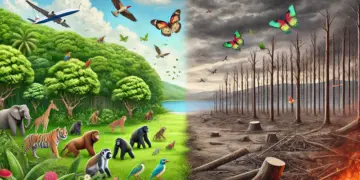
No discussion of wild animal challenges would be complete without addressing the underlying drivers of conflict: climate change and habitat loss. As temperatures rise and weather patterns shift, wild animals are forced to move to new areas, often bringing them into conflict with humans.
1. Changing Migration Patterns
Many species, from wildebeest in Africa to caribou in the Arctic, rely on predictable seasonal cues for migration. Climate disruption is altering these patterns, causing animals to appear in unexpected places at unexpected times. Farmers who once knew when to expect elephants may find them arriving off-schedule, creating new windows of vulnerability.
2. Resource Scarcity
Droughts, floods, and heatwaves reduce the availability of natural water and forage. Wild animals then venture into farms and villages in search of sustenance. In southern Africa, severe droughts have pushed elephants into human settlements, causing record levels of conflict. Similarly, in Australia, kangaroos invade pastures during dry spells.
3. Habitat Fragmentation
Human development—roads, dams, mines, cities, and plantations—slices natural habitats into smaller and smaller fragments. Animals trapped in these fragments have nowhere to go when resources run out. They either starve or attempt to cross dangerous human-dominated landscapes. Creating and protecting corridors is an urgent priority.
Ethical Considerations and the Way Forward
As we confront the reality that every country faces wild animal challenges, we must also grapple with ethical questions. How much risk and loss should people be expected to accept from protected species? When should lethal control be permitted? And what responsibility do wealthy nations have to help developing countries manage their wildlife?
 A. Balancing Human Rights and Animal Rights
Indigenous communities and small-scale farmers often bear the heaviest burden of living with dangerous or destructive wildlife. Their lives, livelihoods, and sometimes their children are at risk. Conservationists must listen to these communities and respect their traditional knowledge. Top-down policies that prioritize animals over people’s basic needs are neither ethical nor sustainable in the long run.
B. The Role of International Cooperation
Wild animals do not respect national borders. Transboundary migrations are common for many species, including elephants, wolves, and migratory birds. Neighboring countries must work together on joint management plans, data sharing, and coordinated anti-poaching efforts. International agreements like the Convention on Biological Diversity (CBD) and the Convention on Migratory Species (CMS) provide frameworks for such collaboration.
C. Funding and Innovation
Developing countries often lack the financial resources and technical capacity to implement state-of-the-art conflict mitigation. Wealthier nations, international NGOs, and multilateral development banks should increase funding for wildlife-friendly infrastructure, community programs, and scientific research. Emerging technologies like AI-driven camera traps, drone monitoring, and predictive conflict mapping hold great promise for revolutionizing wildlife management.
Conclusion: A Shared Future
From the icy coasts of Norway (facing polar bears) to the tropical islands of Indonesia (facing Komodo dragons), every country indeed faces wild animal challenges. There is no one-size-fits-all solution. What works for managing deer in England may fail for managing monkeys in Thailand. However, common principles emerge: respect for science, engagement with local communities, investment in prevention, and a commitment to coexistence rather than elimination.
Wild animals are not intruders on an exclusively human planet. They are our neighbors, our co-evolved companions in the web of life. The question is not whether we will share the Earth with them we will but whether we will do so intelligently and compassionately. By learning from the successes and failures of countries around the world, we can chart a course toward a future where both people and wild animals not only survive but thrive. The challenge is great, but the stakes a biodiverse, vibrant, and safe world for generations to come are even greater.