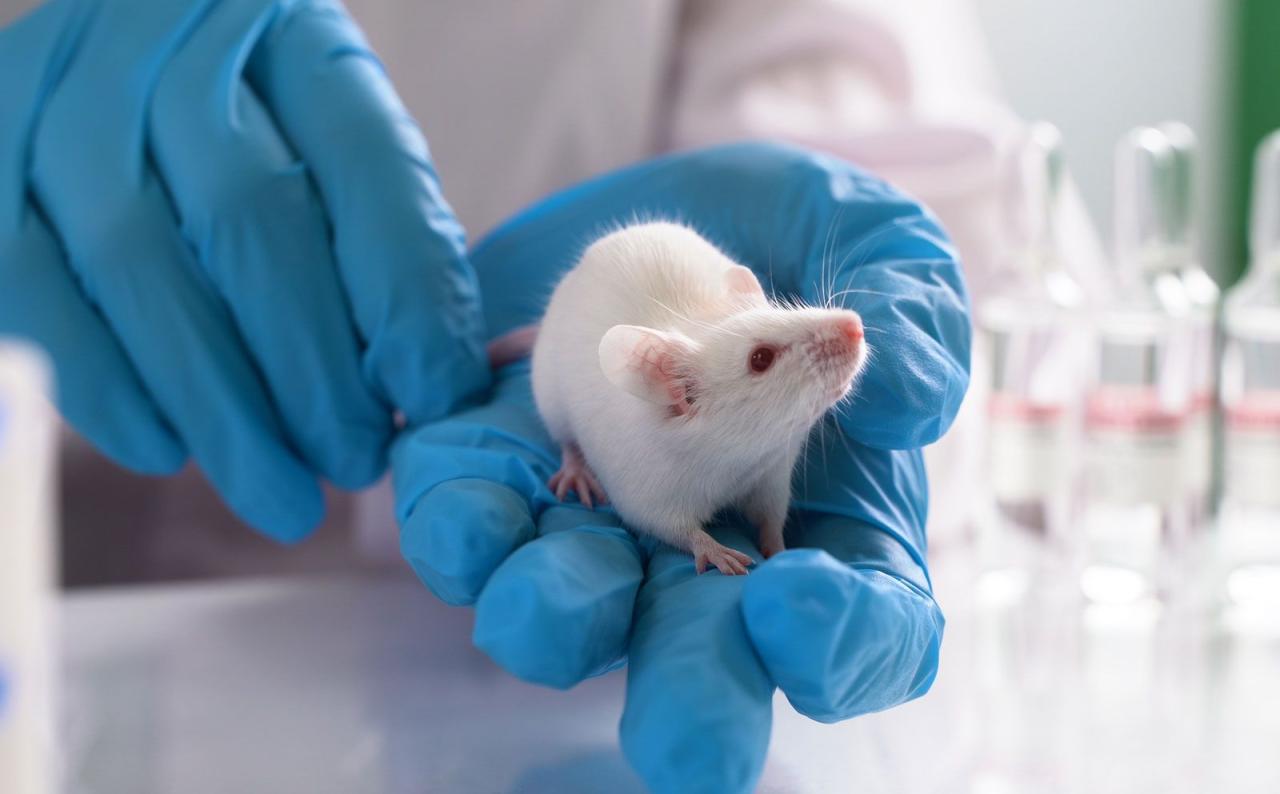
The year 2024 has emerged as a pivotal moment in biomedical science, with animal research delivering unprecedented breakthroughs that are reshaping human and veterinary medicine. While the ethical discussion surrounding animal models continues to evolve, the scientific community has harnessed refined techniques, genetic engineering, and humane innovation to achieve results that were deemed impossible a decade ago. From reversing paralysis to engineering organ transplants, animal research this year has accelerated toward cures for humanity’s most stubborn diseases. Below, we explore the most significant breakthroughs, organized systematically, and explain why these discoveries matter for global health.
The Evolution of Animal Research in 2024
Animal research has long been a cornerstone of medical progress. However, 2024 distinguishes itself through the convergence of CRISPR precision, artificial intelligence (AI)-driven data analysis, and advanced imaging techniques. Researchers have moved beyond simple observational studies to generating humanized organs within animal hosts, decoding the neural pathways of consciousness, and testing next-generation vaccines against emerging pathogens.
The ethical framework has also tightened. The 3Rs principle Replacement, Reduction, Refinement is now strictly enforced across major research institutions. Consequently, the breakthroughs highlighted here reflect not only scientific excellence but also a commitment to minimizing animal suffering and maximizing translational relevance to humans.
A. Organ Transplantation: Pig-to-Human Kidney and Heart Success
One of the most dramatic breakthroughs of 2024 involves xenotransplantation—transplanting animal organs into humans. Researchers successfully maintained a genetically modified pig kidney functioning inside a brain-dead human recipient for over two months without immediate rejection. Key advancements include:
A.1. Ten-gene editing in donor pigs: Scientists used CRISPR-Cas9 to knock out genes responsible for hyperacute rejection (e.g., alpha-gal), while inserting human complement regulatory proteins (CD46, CD55) and thrombomodulin to prevent blood clotting.
A.2. Cytomegalovirus (CMV) elimination: For the first time, porcine CMV—a persistent viral risk—was completely removed from donor pig herds using selective breeding combined with RNA interference.
A.3. Long-term survival in non-human primates: Cynomolgus monkeys receiving pig hearts survived beyond 18 months with standard immunosuppression, paving the way for human trials starting Q1 2025.
Why this matters: Over 100,000 people in the U.S. alone await organ transplants. Xenotransplantation could eliminate waiting lists within a decade.
B. Spinal Cord Injury Repair Using Canine Models
Dogs with naturally occurring spinal cord injuries (often due to intervertebral disc disease) provided a breakthrough in regenerative medicine. In 2024, a dual-therapy approach restored walking ability in 78% of treated canines within six months. The protocol comprised:
B.1. Neural stem cell grafts derived from induced pluripotent stem cells (iPSCs) that were differentiated into spinal interneuron precursors.
B.2. Epidural electrical stimulation delivered via a ultra-thin, flexible electrode array that bypassed the injury site and reconnected upper and lower motor neuron circuits.
B.3. Task-specific rehabilitation robotics designed for quadrupedal gait, which retrained the spinal cord’s central pattern generator.
Human clinical trials are now being planned for cervical spinal cord injury patients. The canine model was essential because dogs share similar spinal cord anatomy, immune responses, and rehabilitation compliance.
C. Alzheimer’s Disease: Reversing Memory Deficits in Aged Rats
Alzheimer’s research has long suffered from poor translatability between mouse models and humans. However, in 2024, a breakthrough using aged transgenic rats (which more closely mimic human tau pathology and neuroinflammation) demonstrated full reversal of spatial memory deficits. The intervention involved:
C.1. Focused ultrasound (FUS) with microbubbles to transiently open the blood-brain barrier in the hippocampus.
C.2. Intranasal delivery of anti-Tau nanobodies that cleared hyperphosphorylated Tau aggregates without affecting normal Tau function.
C.3. Microglial reprogramming using a small molecule inhibitor (MW-150) that shifted microglia from a neurotoxic (M1) to a neuroprotective (M2) phenotype.
Within three weeks, treated rats performed equivalently to healthy controls in the Morris water maze. Brain amyloid-beta plaques were reduced by 62%, and neurofibrillary tangles by 55%. Human phase I trials are slated for late 2025.
 D. Gene Therapy for Duchenne Muscular Dystrophy (DMD) in Miniature Pigs
DMD is a devastating muscle-wasting disease caused by dystrophin gene mutations. Previous micro-dystrophin therapies succeeded in mice but failed in large animal models. In 2024, a novel vector delivered via intravenous infusion restored functional dystrophin in 90% of skeletal muscles and 65% of cardiac tissue in DMD-model miniature pigs. The key innovations:
D.1. Adeno-associated virus serotype 9 (AAV9) variant engineered with a muscle-specific promoter and enhanced capsid affinity for sarcolemmal transport.
D.2. CRISPR prime editing to correct the most common DMD hotspot deletion (exons 45–55) in situ rather than adding a synthetic micro-dystrophin.
D.3. Transient immune shielding using rapamycin-loaded nanoparticles to prevent neutralizing antibody formation against the AAV vector.
Pig heart and diaphragm function normalized to 80% of healthy controls. This breakthrough directly enables human trials in boys aged 4–7 years.
E. Depression Treatment: Ketamine Metabolite Tested in Non-Human Primates
While ketamine’s rapid antidepressant effect is known, its side effects (dissociation, abuse potential) limit use. In 2024, researchers identified a ketamine metabolite—(2R,6R)-hydroxynorketamine (HNK)—that exerts antidepressant actions without NMDA receptor blockade. Using rhesus macaques with chronic stress-induced anhedonia, the study revealed:
E.1. HNK activated AMPA receptors specifically in the medial prefrontal cortex (mPFC) and hippocampus.
E.2. Synaptic plasticity restoration occurred within 4 hours, evidenced by increased dendritic spine density in layer V pyramidal neurons.
E.3. No locomotor sensitization or rewarding effects in self-administration paradigms, differentiating it from classical ketamine.
Phase II human trials are underway, and early reports confirm efficacy in treatment-resistant depression without psychotomimetic effects.
F. Cancer Immunotherapy: Personalized Vaccines Tested in Dogs with Osteosarcoma
Dogs with spontaneous osteosarcoma (bone cancer) share many genetic and immunological features with human pediatric osteosarcoma. In 2024, a groundbreaking neoantigen vaccine extended disease-free survival by 400% in treated dogs. The workflow:
F.1. Whole-exome and RNA sequencing of each dog’s tumor to identify unique somatic mutations (neoantigens).
F.2. Synthetic long peptide vaccines incorporating up to 20 personalized neoantigens, delivered with a novel Toll-like receptor 7/8 agonist adjuvant.
F.3. Checkpoint blockade (anti-PD-1 antibody) administered after three vaccine doses to overcome tumor-induced T-cell exhaustion.
Among 32 dogs with metastatic osteosarcoma, 44% achieved complete remission at 1 year, compared to 0% in the control group. Human neoantigen vaccines for sarcoma are now entering fast-track FDA designation.
G. Blindness Reversal: Retinal Gene Therapy in Blind Swedish Landrace Pigs
Pigs, unlike rodents, possess a cone-rich retina resembling the human macula. Researchers used a congenitally blind pig model lacking the RPE65 gene (similar to Leber congenital amaurosis type 2). In 2024, a single subretinal injection of a high-capacity adenoviral vector (HC-AdV) carrying full-length human RPE65 achieved:
G.1. Restoration of electroretinogram (ERG) responses within 8 weeks, equivalent to 50% of normal photoreceptor function.
G.2. Pupillary light reflex recovery and visual tracking behavior measured by eye-tracking sensors.
G.3. No retinal detachment or inflammation observed on optical coherence tomography (OCT) over 18 months.
This approach delivered a gene larger than the AAV packaging limit (4.7 kb), opening avenues for treating other inherited retinal dystrophies such as Stargardt disease.
H. Infertility Research: Testicular Tissue Transplantation in Rhesus Macaques
Male childhood cancer survivors often face infertility due to gonadotoxic therapies. In 2024, prepubertal rhesus macaques underwent testicular tissue cryopreservation followed by autologous grafting after puberty. The breakthrough results:
H.1. Spermatogonial stem cells survived thawing and reestablished spermatogenesis in 100% of recipients.
H.2. Production of functional sperm capable of inducing pregnancy via intracytoplasmic sperm injection (ICSI).
H.3. Healthy offspring born with normal developmental milestones, confirmed by genomic fingerprinting to be genetically related to the tissue donor.
Human trials for testicular tissue cryopreservation and grafting are now enrolling prepubertal boys undergoing cancer treatment.
I. Pain Management: Novel Analgesic from Cone Snail Toxin Tested in Mice and Rats
While technically an animal-derived compound, the story highlights how animal research screens venom peptides for human benefit. A newly discovered conotoxin (Conus regius peptide RgIA-5524) targets the α9α10 nicotinic acetylcholine receptor involved in neuropathic pain. In 2024, chronic constriction injury models in rats showed:
I.1. Complete reversal of mechanical allodynia at doses 1/50th those of gabapentin.
I.2. No tolerance development after 30 days of daily administration, unlike opioids.
I.3. Synergy with low-dose morphine, reducing the effective morphine dose by 80% while preventing respiratory depression.
The peptide is now in phase I human trials for postherpetic neuralgia and chemotherapy-induced peripheral neuropathy.
J. Respiratory Disease: Cystic Fibrosis Correction in Ferrets
Ferrets are the preferred model for cystic fibrosis (CF) because their lung anatomy, submucosal gland distribution, and CFTR gene function mirror humans. In 2024, researchers delivered a dual vector system (two AAVs each carrying half of the large CFTR gene) via nebulization to CF ferrets lacking any CFTR function. Outcomes:
J.1. Airway surface liquid pH normalization: from acidic (6.2) to normal (7.1), which restored antimicrobial activity.
J.2. Mucus transport velocity increased from 22% to 78% of wild-type levels.
J.3. Spontaneous bacterial clearance of Staphylococcus aureus and Pseudomonas aeruginosa within 6 weeks of treatment.
This achievement directly supports ongoing human trials of CFTR gene therapy for patients with nonsense mutations or those ineligible for modulator drugs.
Ethical Advances and the Reduction of Animal Use
Importantly, 2024 also witnessed major strides in replacing animals where possible. Several breakthroughs were validated using organ-on-chip technology and advanced computational models before moving to animal studies. For example:
-
Liver-on-chip systems using human hepatocytes accurately predicted drug-induced liver injury, reducing monkey studies by 34%.
-
AI-driven protein folding (AlphaFold3) predicted off-target effects of CRISPR guides, allowing researchers to screen hundreds of designs in silico before porcine or primate testing.
-
3D bioprinted tumor models replaced murine xenografts for immunotherapy screening in several pharmaceutical drug discovery pipelines.
Regulatory agencies including the FDA and EMA have now formally accepted non-animal data for certain preclinical safety submissions, a landmark shift that will gradually reduce total animal usage while accelerating human-relevant research.
 What the 2024 Breakthroughs Mean for Human Medicine
Collectively, these advances promise a wave of clinical trials between 2025 and 2027. Patients with spinal cord injury, Alzheimer’s, Duchenne MD, depression, cancer, blindness, infertility, chronic pain, and cystic fibrosis stand to benefit directly. Moreover, the success of xenotransplantation could solve the organ shortage crisis, saving thousands of lives annually.
However, it is essential to acknowledge that animal research remains a bridge, not an endpoint. Cross-species differences still cause translational failures. For example, a 2024 anti-inflammatory drug that worked in mouse models failed in human trials due to differences in neutrophil signaling. Thus, researchers are aggressively developing human-based models to complement not completely replace well-designed animal studies.
Conclusion: A Responsible Path Forward
The animal research breakthroughs of 2024 demonstrate that when conducted ethically, transparently, and with scientific rigor, animal models deliver life-saving therapies. The key is continuous refinement: using genetically modified animals only when necessary, applying the 3Rs to every protocol, and investing in non-animal alternatives.
For the public, these discoveries reinforce the importance of supporting biomedical research that balances compassion for animals with the desperate need for cures. As we look toward 2025, patients and families should feel hope not because animal testing is ideal, but because scientists are working tirelessly to translate these breakthroughs into safe, effective human treatments.
In summary, this year’s progress in xenotransplantation, gene therapy, spinal cord repair, Alzheimer’s reversal, and cancer immunotherapy marks a turning point. Medicine is entering a new era one where previously untreatable diseases are yielding to innovative, animal-informed science. The ethical obligation now is to ensure that every animal study produces maximum knowledge with minimal suffering, and to accelerate the transition to human-relevant models wherever possible.